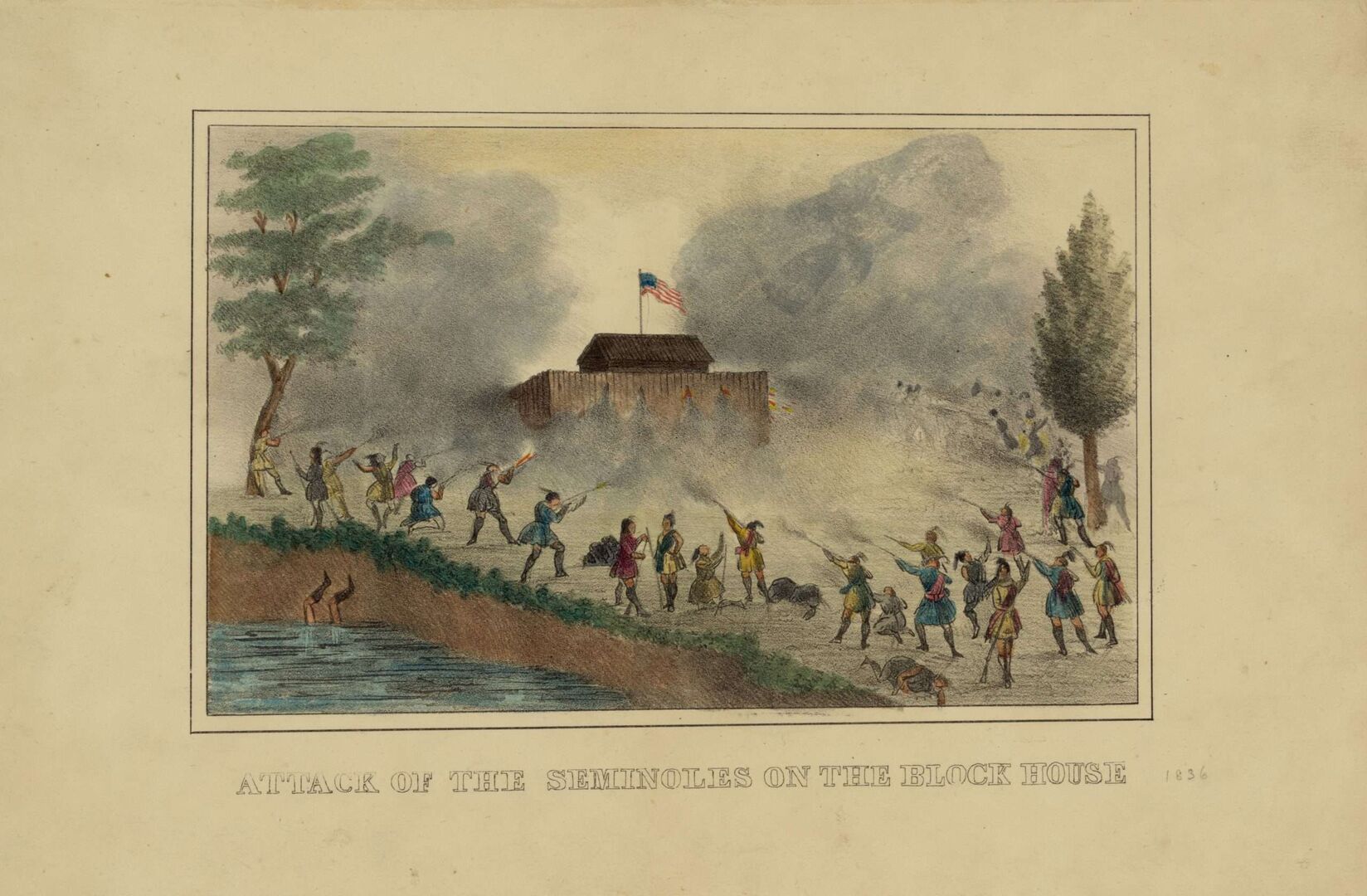
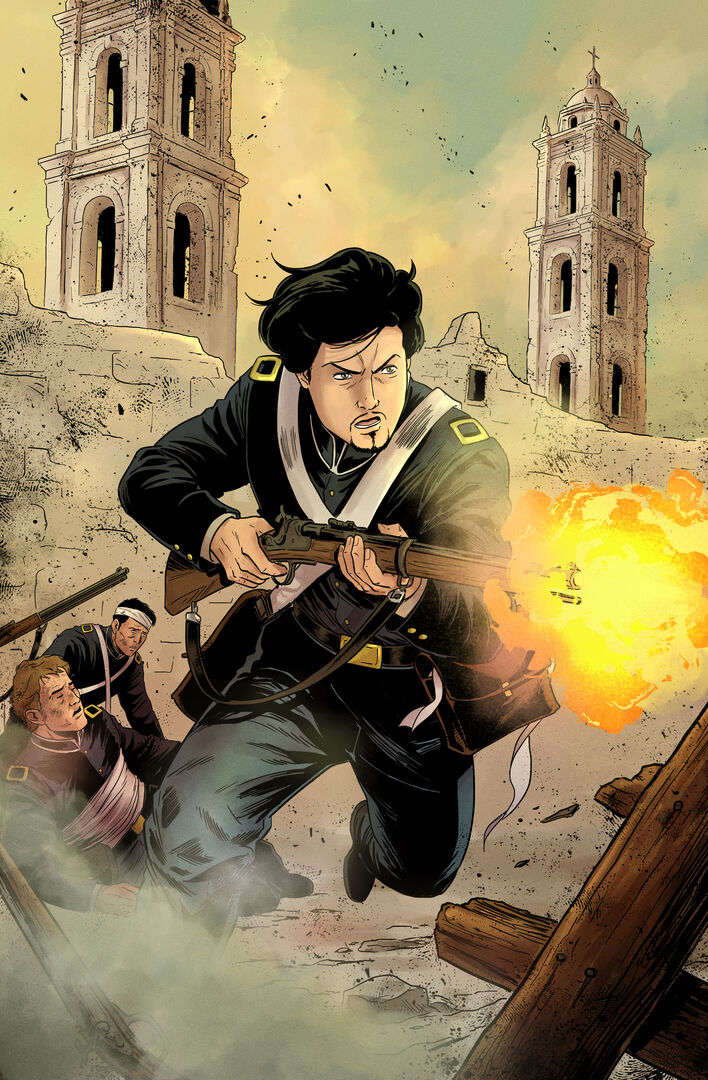
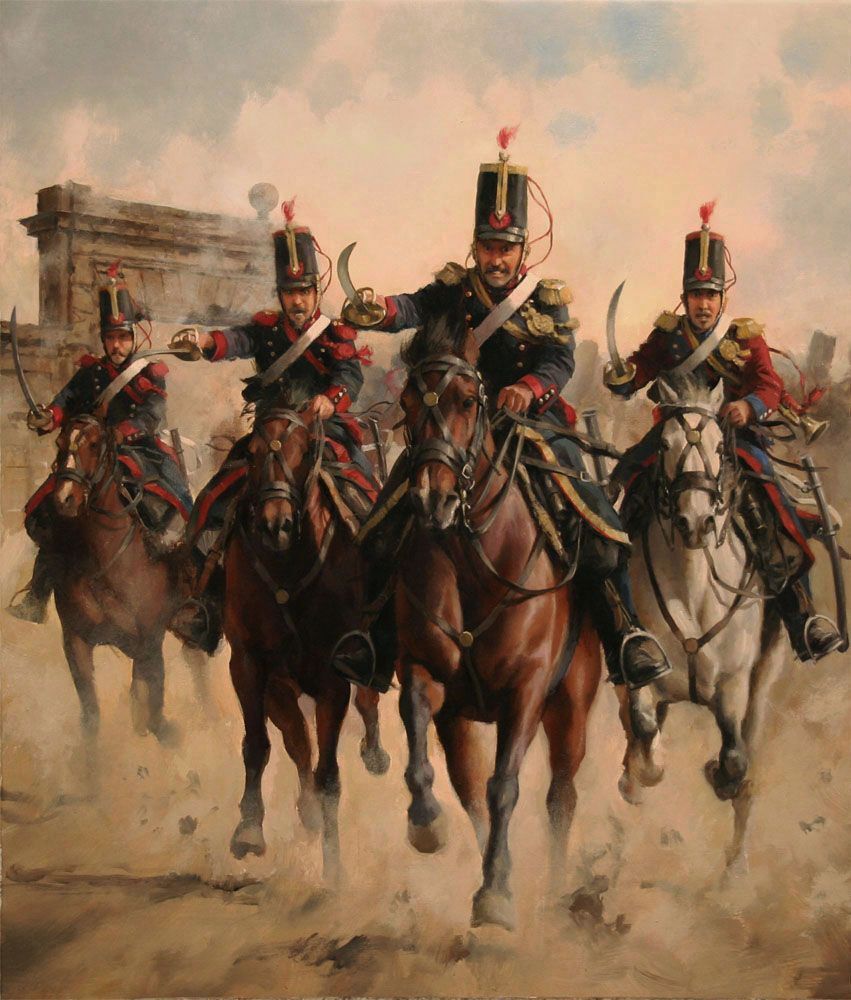
Title Year DetailThe Seminole Wars (1816–1858) were a series of military conflicts in Florida between the United States and the Seminole Nation, driven by border disputes, territorial expansion, and the implementation of the Indian Removal Act. CaptionAttack of the Seminoles on the Block House by T. F. Gray and James of Charleston, S.C. Source: Library of Congress Prints & Photographs Division. Caption 2 Save
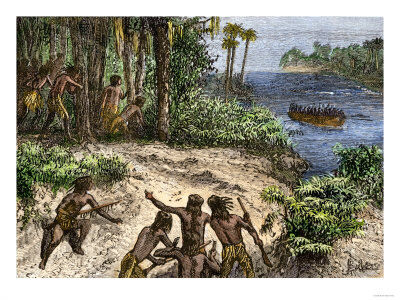
Title Year DetailThe First Seminole War (1816–1818) began when U.S. forces, led by General Andrew Jackson, entered Spanish-controlled Florida following cross-border skirmishes and disputes over runaway enslaved individuals. Jackson's operations demonstrated U.S. influence in the region, prompting Spain to cede Florida through the 1819 Adams–Onís Treaty. CaptionAttack on the American boat in 1817 by Dale Cox. Caption 2 Save
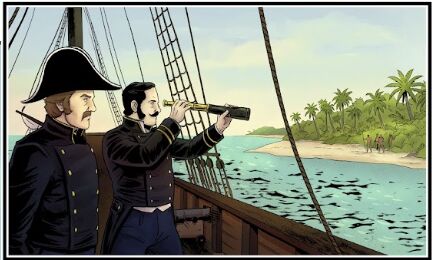
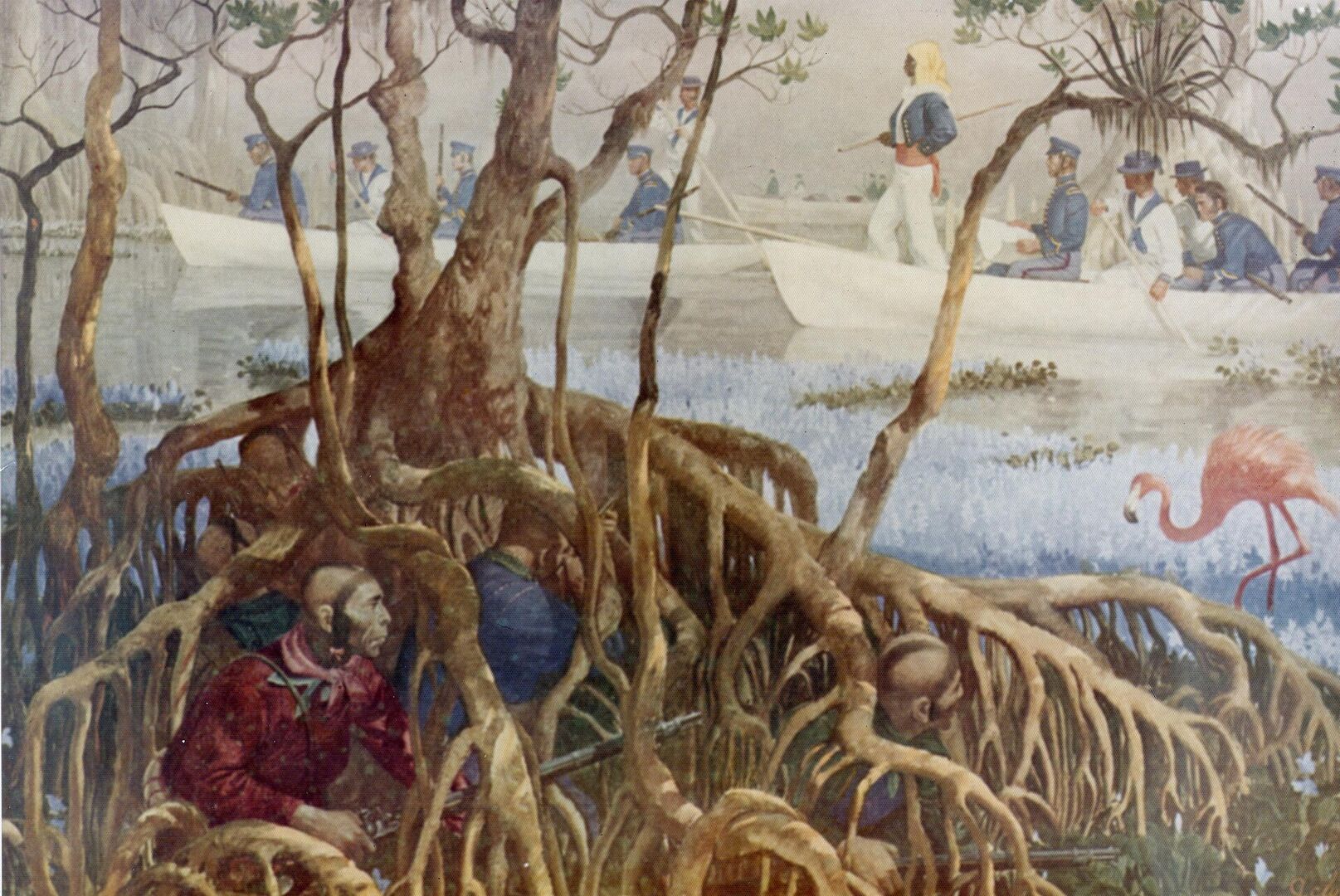
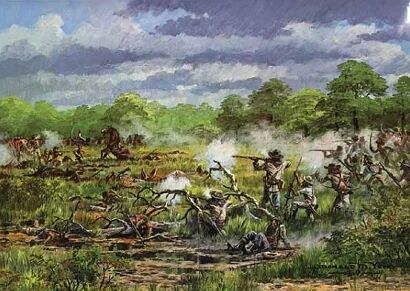
Title Year DetailThe Second Seminole War (1835–1842) erupted as Seminoles resisted federal efforts to relocate them west of the Mississippi River. It proved to be a lengthy and intense conflict fought largely through guerrilla tactics in the Florida Everglades. Caption"Marines battle Seminole Indians in the Florida War--1835-1842." — Department of Defense, U.S. Marine Corps (Photo #: 306073-A). Source: National Archives and Records Administration. Caption 2 Save
Title Year DetailSeveral notable Jewish military officers served in these campaigns, gaining experience that would later highlight their careers in the Texas Revolution and the Mexican–American War. Prominent figures included Naval Captain Levi Charles Harby, Quartermaster General Abraham Charles Myers (after whom Fort Myers is named), Surgeon General David Camden DeLeon, Revenue Marine Captain Henry Benjamin Nones, and Colonel Leon Dyer. Caption Caption 2 Save
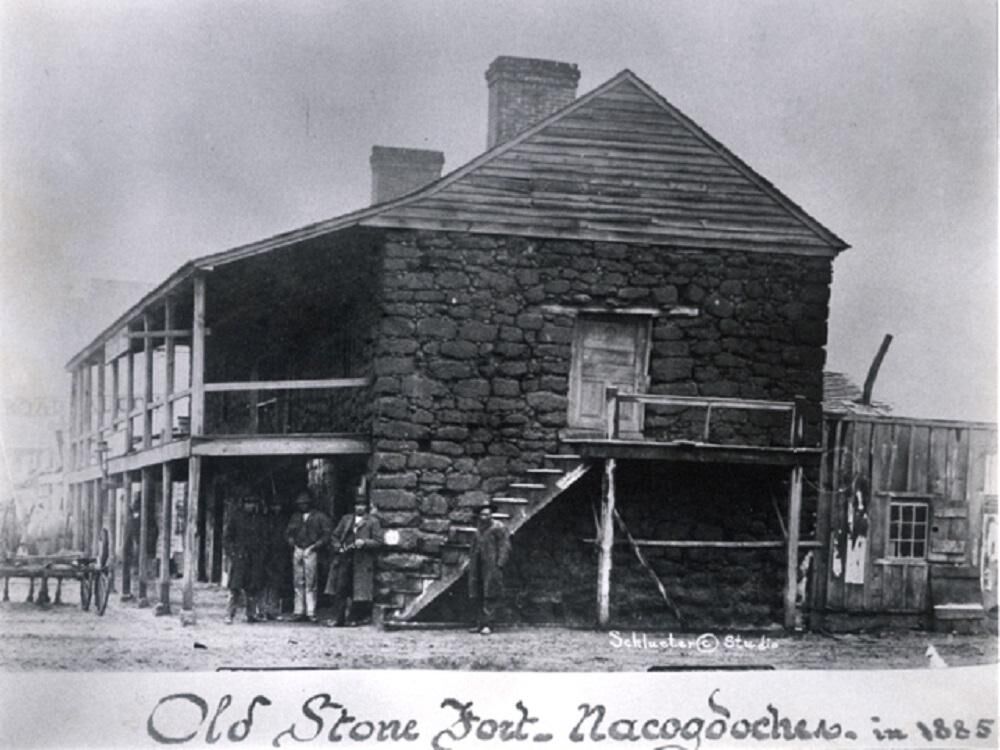
Title Year DetailThe Fredonian Rebellion (December 21, 1826 - January 31, 1827) was the first attempt by Texian settlers to secede from Mexico. Led by Empresario Haden Edwards after Mexico revoked his land grant due to conflicts with established residents; a group of supporters declared independence and established the short-lived Republic of Fredonia near Nacogdoches. The revolt quickly collapsed when Mexican authorities and Stephen F. Austin convinced local Cherokees to withdraw their support. Mexican soldiers and Texian militia marched into Nacogdoches in January 1827, forcing Edwards to flee to the U.S. In response, Mexico increased its military presence and restricted American immigration. This backlash fueled growing Texian hostility, paving the way for the Texas Revolution. CaptionOld Stone Fort 1885 Built in 1779; the Old Stone Fort served as headquarters for the leaders of the Fredonian Rebellion. Source: Stephen F. Austin State University, East Texas Digital Archives and Collections. Caption 2 Save
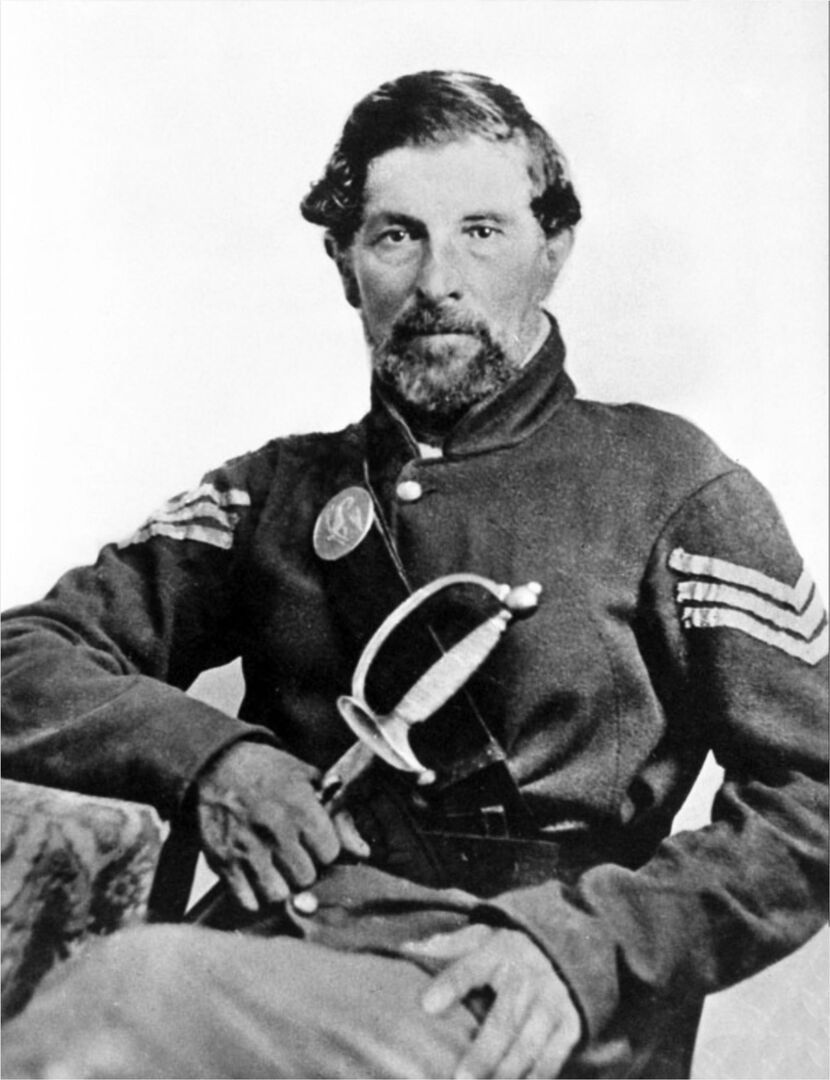
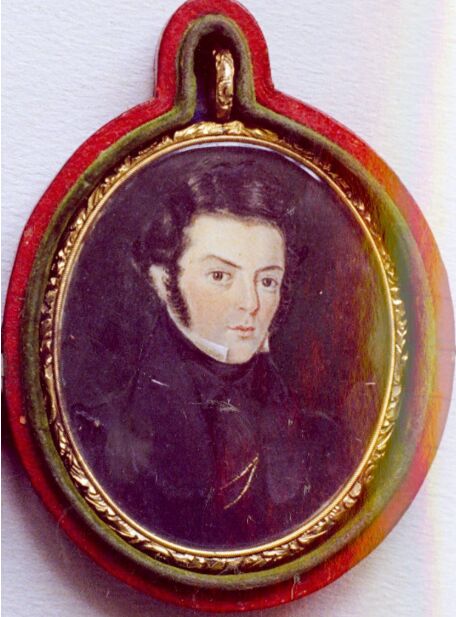
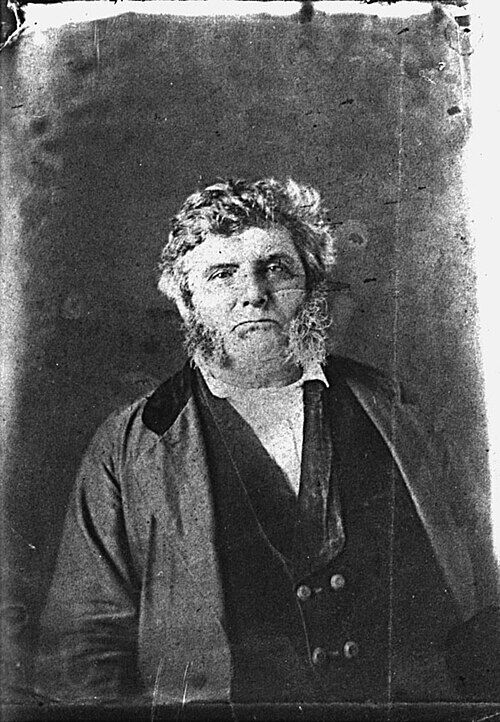
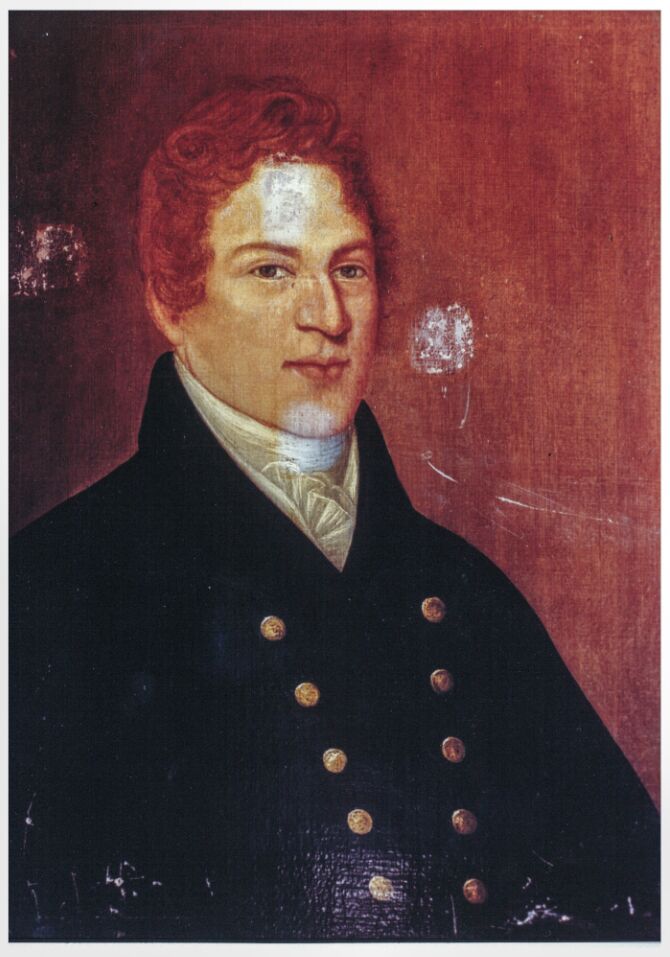
Title Year DetailAdolphus Sterne, who would later convert, was born in Cologne, Germany, to a Jewish father and a Lutheran mother. During the Fredonian Rebellion (1826–1827), Sterne played a pivotal role as a covert supplier for Haden Edwards's attempt to secede from Mexico. After establishing a mercantile business in Nacogdoches in 1826, Sterne aided the rebellion by smuggling weapons and ammunition hidden inside coffee barrels and dry goods bales. When Mexican forces suppressed the revolt in January 1827 and Edwards fled, Sterne was captured and sentenced to death by a military court. However, his Masonic ties saved him: fellow Masons from New Orleans interceded with Mexican officials, securing his release on the condition that he never take up arms against Mexico again. CaptionAdolphus Sterne (1801–1852). Source: John L. Loeb, Jr. Database of Early American Jewish Portraits. Caption 2 Save
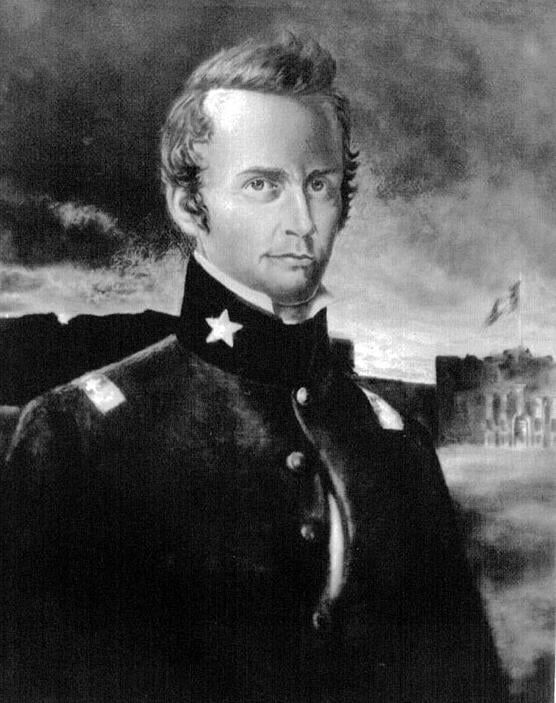
Title Year DetailThe Anahuac Disturbances (1832 and 1835) were pivotal uprisings near Galveston Bay that helped trigger the Texas Revolution. Located along a major trade route between Texas and Louisiana, Anahuac became a flashpoint after Mexico stationed a military garrison there post-1830 to enforce customs tariffs and curb smuggling. Growing friction between American settlers and Mexican officers led to armed revolts by the colonists. These conflicts escalated political activity across local communities, which declared support for Mexican federalists rebelling against the central government. Ultimately, the disturbances fueled the broader movement that led to Texas's secession from Mexico and the establishment of the Republic of Texas. CaptionWilliam B. Travis (1809-1836). Courtesy of the Texas State Library and Archives Commission. Caption 2 Save
Title Year DetailBorn in Amsterdam in 1805 to a Jewish family, David Levi Kokernot immigrated to New Orleans in 1817, where he worked in his family's business and trained as a Mississippi River pilot. After serving as a warrant officer in the U.S. Revenue Cutter Service, he settled in Anahuac in 1832 to farm, open a store, and run coastal trading boats. During the Anahuac Disturbances in 1832, amid rising tensions with Mexican rule, Kokernot helped organize what he considered the first Texas naval force, using three small schooners (Stephen F. Austin, Water Witch, and Red Rover). When Mexican Colonel John Davis Bradburn arrested William B. Travis and other insurgents to transport them to Mexico, Francis W. Johnson enlisted Kokernot to stage a rescue. Commanding the Red Rover with five men and five guns, Kokernot blockaded Anahuac alongside the other vessels. His force successfully compelled the Mexican garrison to surrender, secured the release of Travis and the prisoners, and captured supplies at Galveston Island—a decisive naval action that helped spark broader armed conflict across Galveston Bay. CaptionDavid Levi Kokernot (1805- 1892). Source: findagrave.com Caption 2 Save
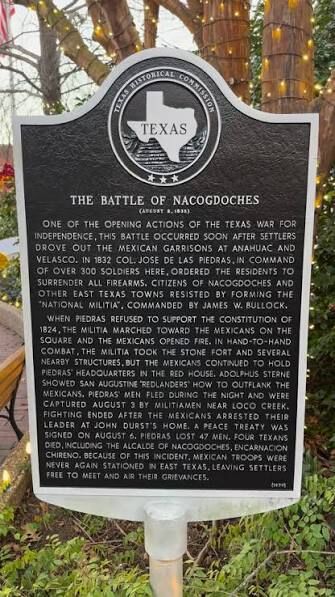
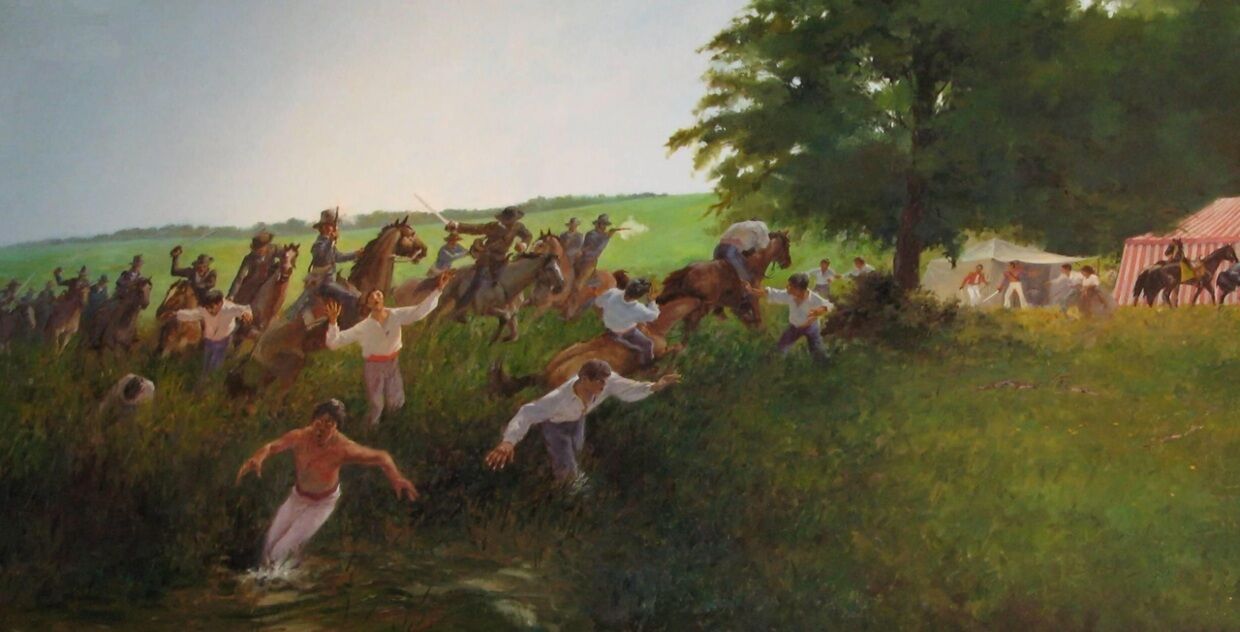
Title Year DetailThe Battle of Nacogdoches (August 2–3, 1832) erupted after Mexican Commander José de las Piedras ordered residents to surrender their firearms. Refusing, local leaders organized a militia, rallied 300 Texians under Captain James W. Bullock, and were joined by James Bowie. When Piedras rejected demands to rescind the disarming order and declare support for Santa Anna's federalists, fighting broke out in Nacogdoches. Texians initiated house-to-house combat, seizing key positions—including the Old Stone Fort—and forcing Mexican troops to retreat into their garrison. Fleeing overnight, the Mexican army was ambushed by Bowie and a small force at the Angelina River. Piedras’s men turned against him, and Captain Francisco Medina took command, surrendering over 300 troops and declaring for the federalists. The victory expelled centralist Mexican military forces from East Texas, costing Piedras over 80 casualties compared to three Texian fatalities. CaptionBattle of Nacogdoches historical marker. Caption 2 Save
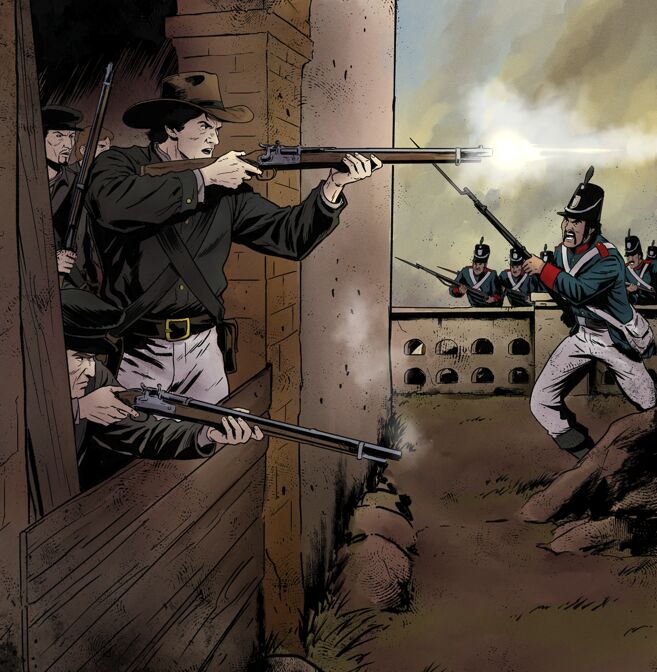
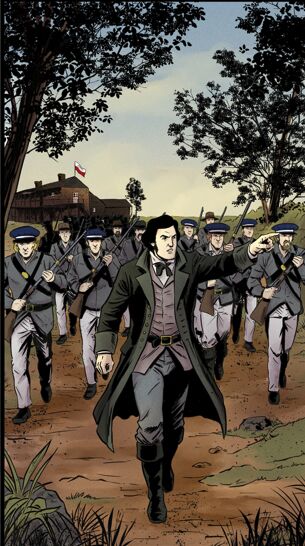
Title Year DetailAlthough under parole and unable to bear arms, Sterne supported the Texians during the Battle of Nacogdoches and their pursuit of Mexican forces across the Angelina River. He guided the troops, provided intelligence on Mexican positions, and carried water to the soldiers. Fortunately for him, the Texians emerged victorious. CaptionAdolphus Sterne at Nacogdoches as depicted in Valor & Virtue. Caption 2 Save
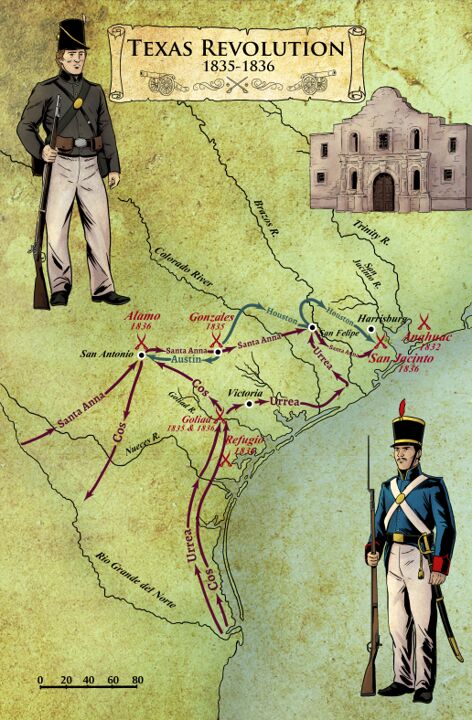
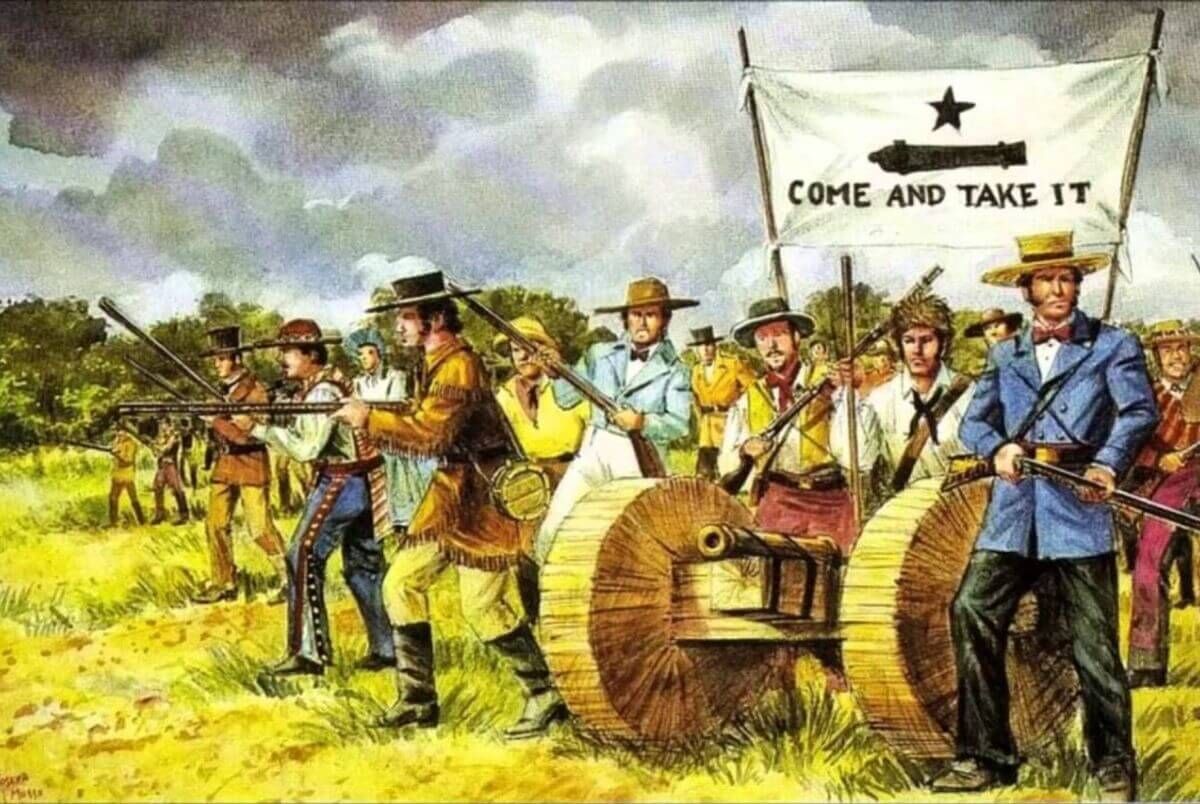
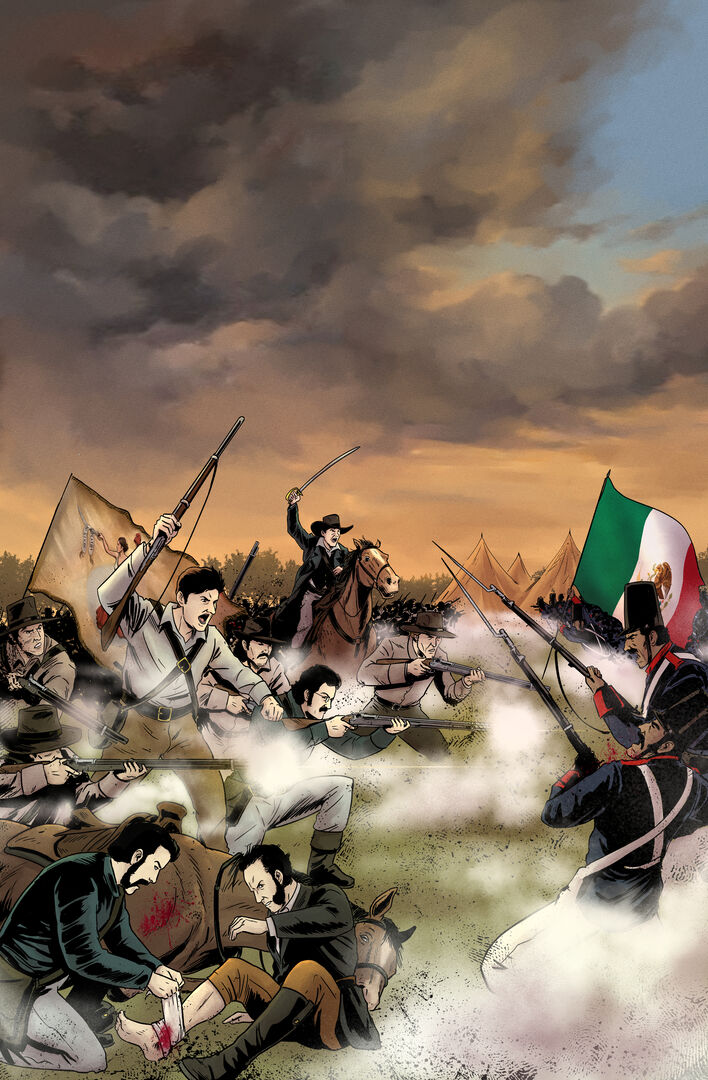
Title Year DetailFought on October 2, 1835, the Battle of Gonzales was the opening military engagement of the Texas Revolution, earning it the nickname the "Lexington of Texas." The conflict arose over a small cannon loaned by Mexican authorities to the Gonzales colonists in 1831 for defense against Comanche raids. As political unrest escalated across Mexico in 1835, Colonel Domingo de Ugartechea requested the weapon's return. When settlers refused, Ugartechea dispatched 100 dragoons to retrieve it. Texians stalled the troops while rallying roughly 140 volunteers from neighboring communities. On October 2, Texian forces confronted the Mexican detachment, leading to a brief skirmish before the Mexican soldiers withdrew. Though militarily minor, the clash marked an irreversible break between the colonists and the Mexican government. The contested cannon's exact fate remains debated, but one recovered iron gun resides today in the Gonzales Memorial Museum. Caption Caption 2 Save
Title Year DetailIn October 1835 Kokernot joined Captain James W. Fannin's company at Gonzales as a private and fought at Cibolo Creek. Captain Ben Milam had set up camp near Cibolo Creek and soon discovered the tracks of a Mexican force of about a hundred cavalrymen. Austin sent additional scouts, and Kokernot was with one group of scouts that confronted a Mexican patrol and forced it to retreat. CaptionBenjamin Milam meets Texan troops. Caption 2 Save
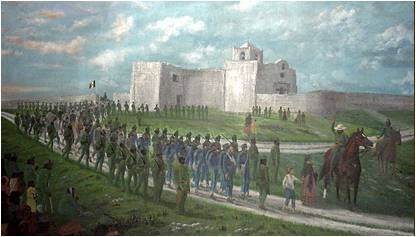
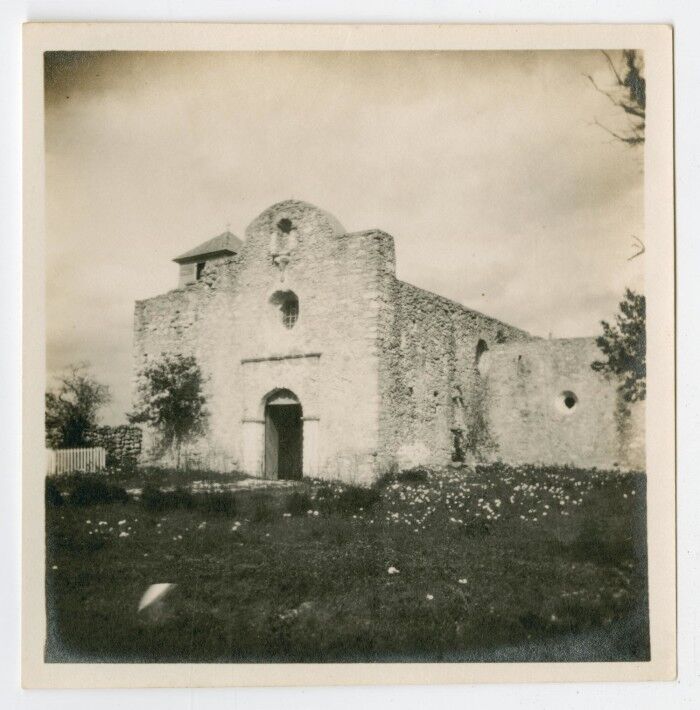
Title Year DetailFought on October 9, 1835, the Battle of Goliad was the second skirmish of the Texas Revolution. Texian militia under Captain George Collinsworth launched a surprise early-morning assault on Presidio La Bahía, a strategically vital fort near Goliad. Borrowing axes from local townspeople, the Texians chopped through the fort’s door and overwhelmed the understaffed Mexican garrison in a half-hour battle. The surrender yielded several cannons and $10,000 in provisions for the Texian forces. Crucially, capturing Goliad cut off Mexican troops in San Antonio de Béxar from the coast, severely disrupting their supply lines and reinforcement routes. CaptionPhotograph of the historic Presidio La Bahía in Goliad, Texas. Source: Austin History Center, Austin Public Library Caption 2 Save
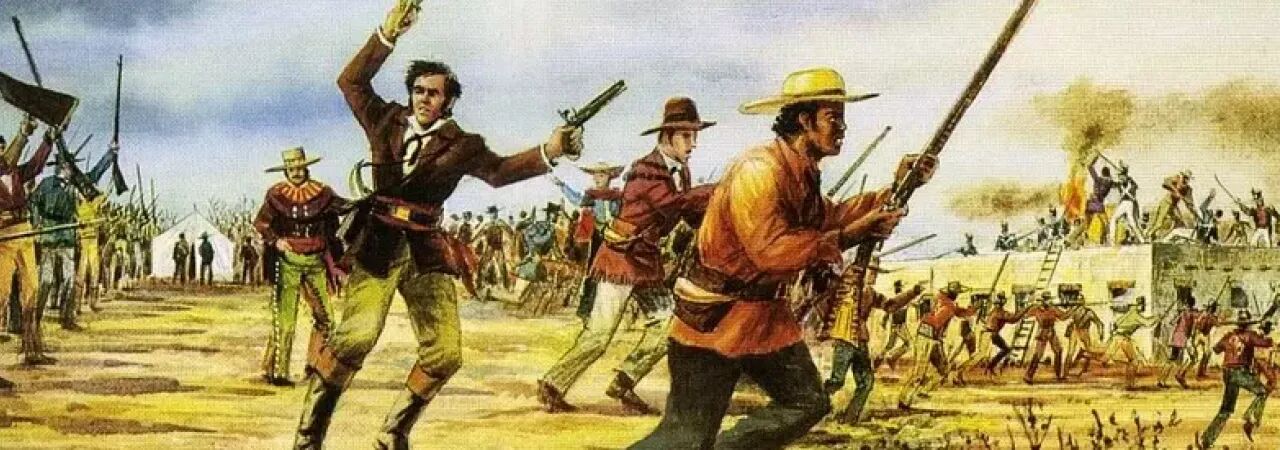
Title Year DetailGeneral Stephen F. Austin led newly formed Texian volunteer forces to San Antonio de Béxar, initiating a siege against General Martín Perfecto de Cos's reinforced Mexican troops to contest General Santa Anna's dictatorial rule. The siege lasted from October 12 to December 9, 1835, when the Mexicans surrendered resulting in the Texians taking control of the city and the Alamo on December 11th. During the Siege of Béxar, surgeon Dr. Albert Moses Levy served with the New Orleans Greys, earning praise for exposed battlefield aid during intense urban combat before Mexico’s surrender. Other Jewish or reportedly Jewish participants in the campaign included Julian Harby, David Levi Kokernot, and Herman Ehrenberg. CaptionBen Milam leads the Texian assault on Béxar by Joseph Musso. Caption 2 Save
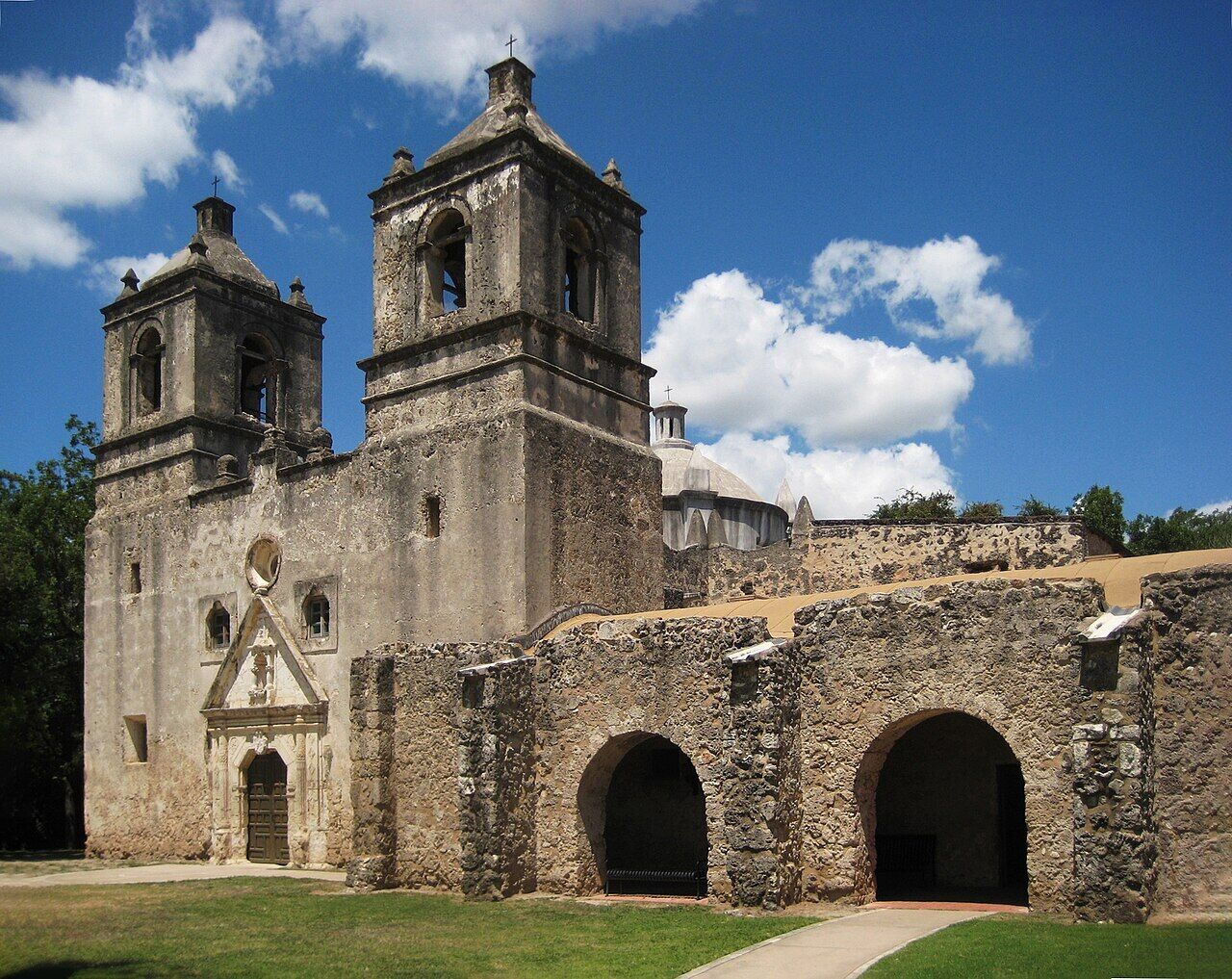
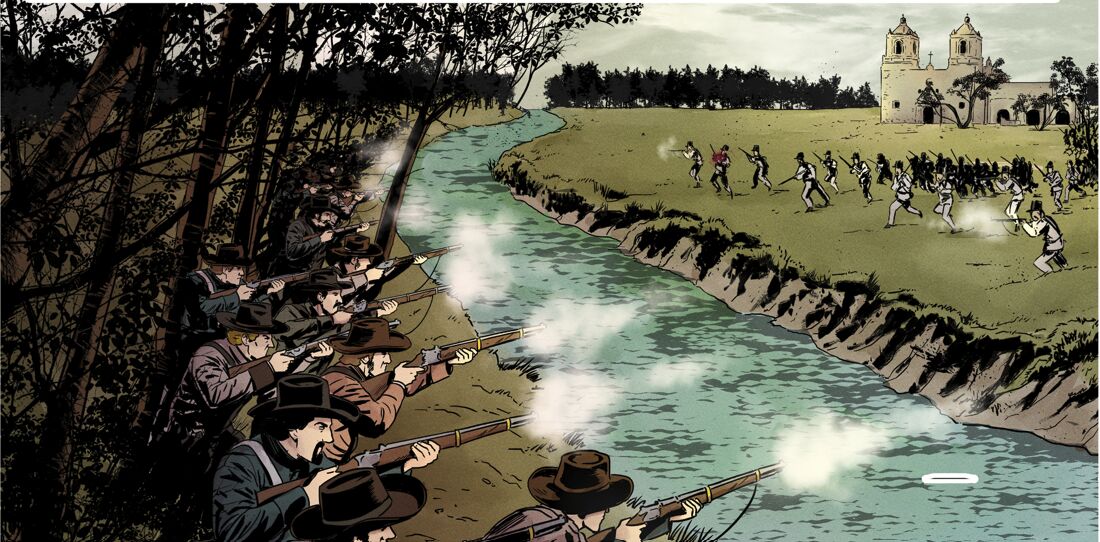
Title Year DetailFought on October 28, 1835, near San Antonio, the Battle of Concepción was the first major engagement of the Texas Revolution. While scouting a camping site for the Texian Army, James Bowie and James Fannin led 90 men into position near Mission Concepción. Learning the Texians were isolated, Mexican Colonel Domingo Ugartechea attacked with 275 troops. Taking cover in a defensive gully, the Texians repulsed multiple Mexican assaults in just 30 minutes, forcing a retreat before Texian reinforcements arrived. The decisive victory cost the Mexican army dozens of casualties, while the Texians lost only one man. CaptionMission Concepcion at San Antonio, Texas. Caption 2 Save
Title Year DetailKokernot fought alongside Fannin, James Bowie and 90 other soldiers at the Mission Nuestra Señora de la Purísima Concepción. Fannin and Bowie split their troops on either side of the horseshoe bend in the river, creating a funnel for the Mexican troops. The Mexicans, who significantly outnumbered the Texians, tried three attacks, but none of them dislodged the Texians, and the Mexicans were forced to retreat. CaptionKokernot at Concepción as depicted in Valor & Virtue. Caption 2 Save
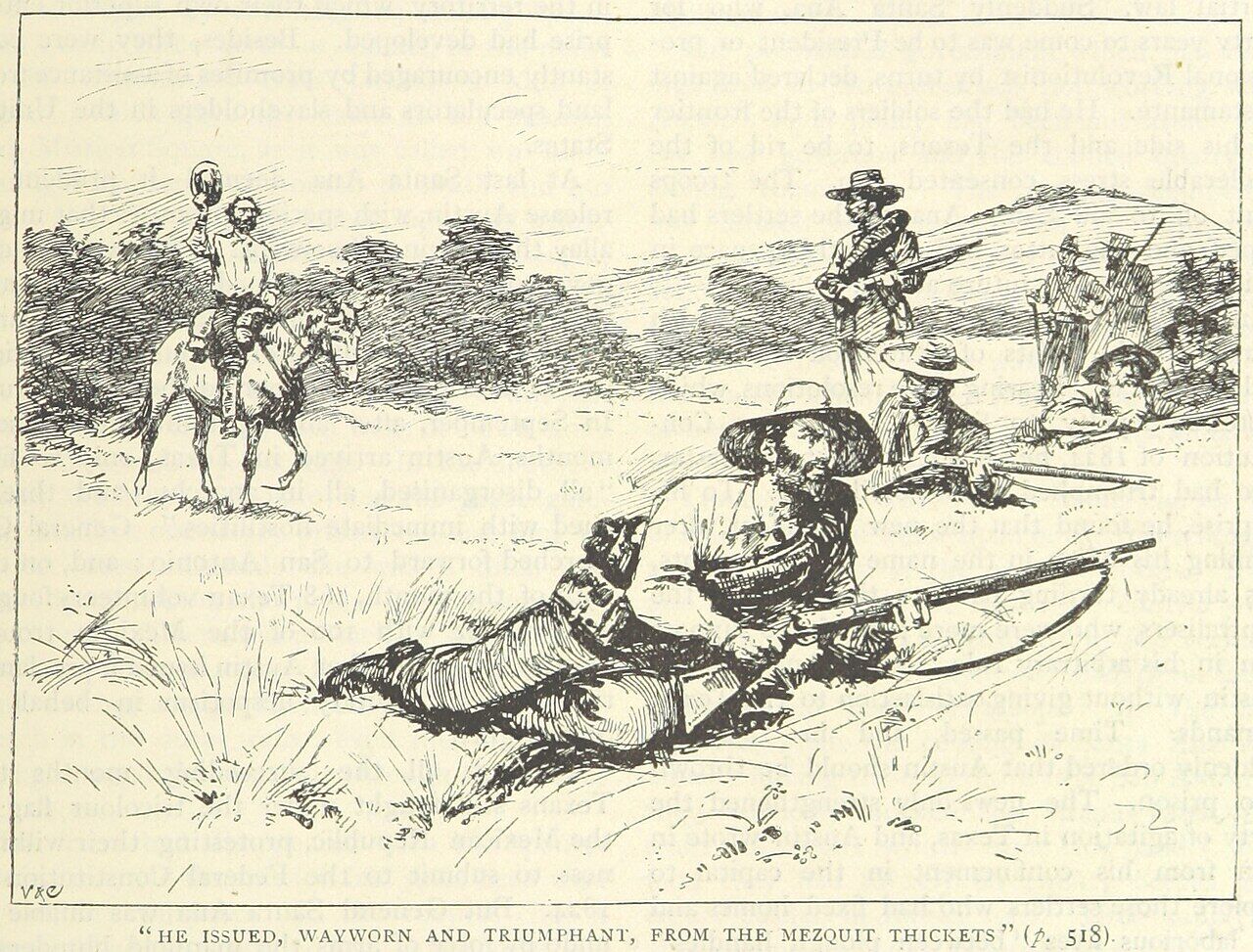
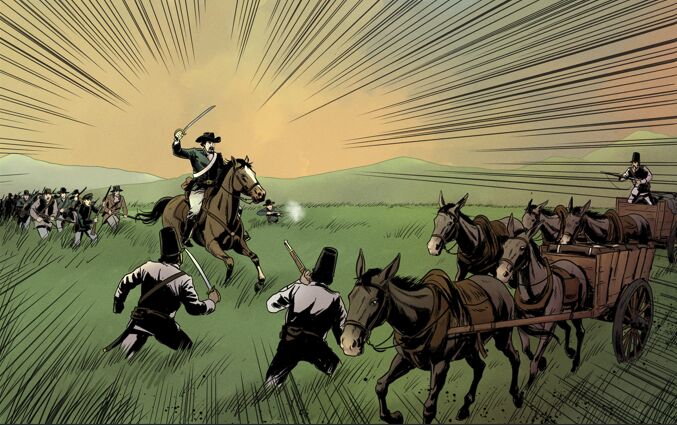
Title Year DetailFought on November 26, 1835, south of San Antonio de Béxar, the Grass Fight was a brief skirmish during the Siege of Béxar. Famed scout Deaf Smith alerted Texian forces to an approaching Mexican pack train, which the bored besiegers believed carried silver to pay enemy troops. Commander Edward Burleson dispatched James Bowie with cavalry and infantry to intercept it. When General Cos sent reinforcements from Béxar, Texians repulsed several Mexican attacks before the troops retreated. Upon capturing the train, the disappointed Texians discovered the mules carried only cut grass for livestock. Four Texians were injured, while Mexico suffered three casualties. CaptionThe Grass Fight. Source: texasproud.com Caption 2 Save
Title Year DetailThe Texians anticipated a mule convoy with silver to pay the Mexican troops was headed to Bexar. Mexican General Martin Perfecto Cos sent a party of more than 100 men went to cut grass for their horses. When word reached Colonel Bowie, he sent 100 mounted men in pursuit including Kokernut. The Mexicans lost fifty men while the Texians had no losses and two wounded. After the fight on November 28, 1835 Kokernut was commissioned second lieutenant. Sam Houston may have sent the new officer to recruit a company and round up cattle and horses east of the San Jacinto River at which point he evacuated his family to Galveston Island. Kokernut probably reached the San Jacinto battleground after the victory. CaptionKokernot and the Grass Fight as depicted in Valor & Virtue. Caption 2 Save
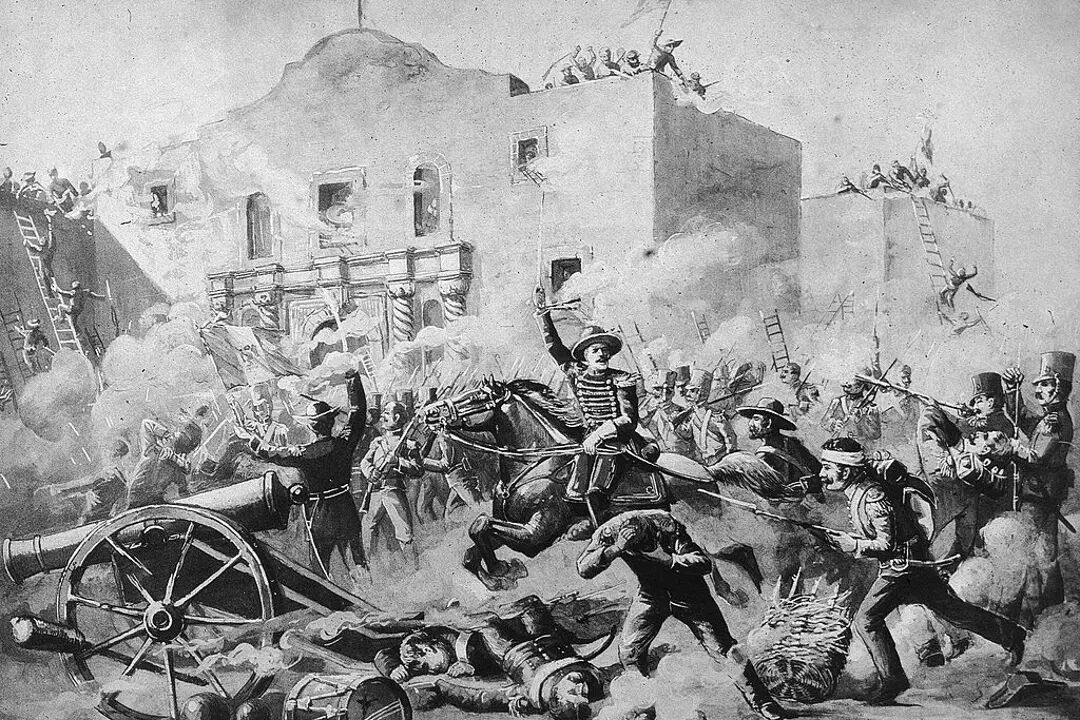
Title Year DetailThe Battle of the Alamo (February 23 – March 6, 1836) was a legendary 13-day siege during the Texas Revolution. Approximately 200 Texian defenders held the former mission against roughly 1,500 Mexican troops under General Santa Anna. Myth and lore surround the story of the Alamo, including Jewish participation. While a few Jews participated in the 1835 siege of San Antonio de Béxar, claims that defenders like Louis "Moses" Rose or Anthony Wolf were Jewish have since been discounted by modern historians. On March 6, Mexican forces breached the walls and killed nearly all combatants. Santa Anna's harsh tactics backfired, generating the rallying cry "Remember the Alamo!" that propelled the Texian victory at San Jacinto. CaptionIllustration of the Battle of the Alamo, San Antonio, Texas, March 6, 1836. Getty Images. Caption 2 Save
Title Year DetailFought from March 12–15, 1836, the Battle of Refugio was a Mexican victory during the Goliad Campaign of the Texas Revolution. Dispatched by Colonel James Fannin to evacuate Anglo civilians, Captain Amon B. King led 28 men—including English-born Jewish volunteer Edward Isaac Johnson, who had joined the Texas army after helping transport artillery to Béxar—to Refugio. After being ambushed, King's force fell back to Mission Nuestra Señora del Refugio. Lieutenant Colonel William Ward arrived with reinforcements, but the Texians were soon besieged by General José de Urrea’s 1,200 Mexican troops. Command disputes led to King’s detachment being captured and executed, while Ward’s men escaped under cover of night. Fannin’s delay in waiting for them allowed Urrea to intercept him at Coleto Creek. Most captured Texians—including Ward, Johnson, and their comrades—were ultimately executed in the Goliad Massacre under Santa Anna’s Tornel Decree. CaptionEdward Isaac Johnson at the Battle of Refugio as depicted in Valor & Virtue. Caption 2 Save
Title Year DetailFought on March 19–20, 1836, the Battle of Coleto Creek resulted in the defeat and capture of Colonel James W. Fannin’s Texian forces during their retreat from Goliad toward Victoria. Delayed by broken supply carts and grazing oxen, Fannin’s men were overtaken by General José de Urrea’s Mexican forces on an open prairie near Coleto Creek. Forming a defensive square, the Texians repulsed three Mexican charges before nightfall. However, lacking water to cool their cannons or treat over 60 wounded, and surrounded by reinforced Mexican troops with fresh artillery, the Texians surrendered on March 20. Herman Ehrenberg, Benjamin H. Mordecai, and M.K. Moses participated in the battle. After the battle, M.K. Moses “was too badly used up to travel further” and was left on the battlefield by Urrea and rejoined the fight at San Jacinto. Though Urrea recommended clemency under the agreed-upon surrender terms, General Santa Anna enforced the Tornel Decree. On March 27, Fannin and over 400 captured Texians were executed in the Goliad Massacre. Herman Ehrenberg and Benjamin H. Mordecai managed to escape. CaptionPainting, March to the Masscre by Andrew Jackson Houston. Courtesy of the San Jacinto Museum of History. Caption 2 Save
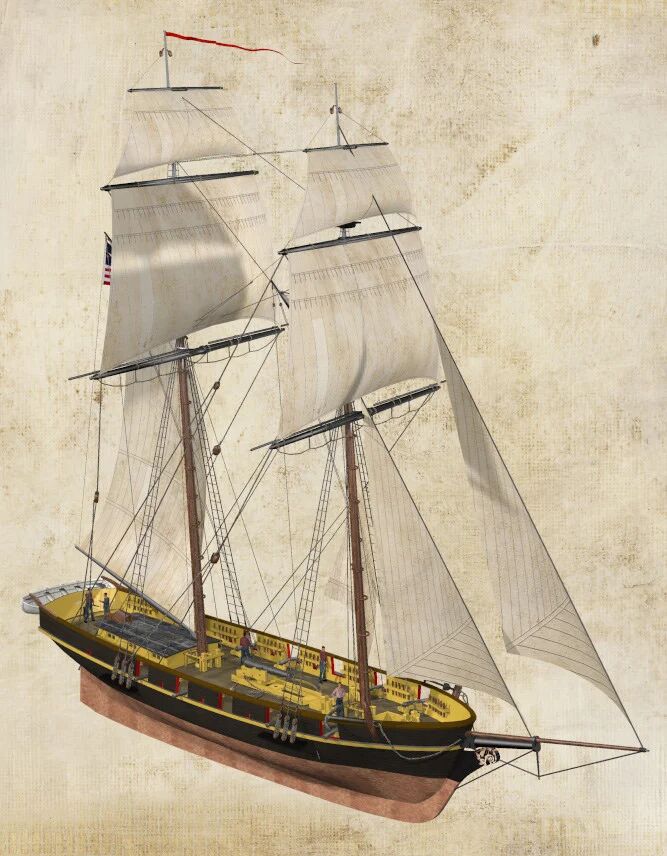
Title Year DetailTwo key Jewish figures served in the Texas Navy: Dr. Albert Moses Levy: After serving as surgeon in chief of the volunteer army, Levy joined the Texas Navy as a surgeon in 1836. While aboard the Independence in April 1837, his ship was captured by two Mexican brigs-of-war. He escaped after three months, walked back to Texas, and established a practice in Matagorda. Houston designated April 30, 1986, as Albert Moses Levy Memorial Day in his honor. Levi Charles Myers Harby: A veteran who served in the U.S. Navy during the War of 1812 and the West India Squadron—and reportedly fought under Simón Bolívar—Harby left the Revenue Cutter Service in 1836 to sail to Texas and join the Texas Navy aboard the Brutus. CaptionIllustration, The Texas Navy's Schooner Brutus. Caption 2 Save
Title Year DetailOn April 13, 1836, Sam Houston sent Captain Kokernot ahead to Harrisburg to warn the Texas government of General Antonio López de Santa Anna’s advance. When Santa Anna arrived on April 15 with nearly 1,000 men, President David G. Burnet and his government had already escaped, likely due to the warning, and were transported by Captain Luke A. Falvel aboard the schooner Flash to the safety of Galveston Island. CaptionPresident David G. Burnet. Caption 2 Save
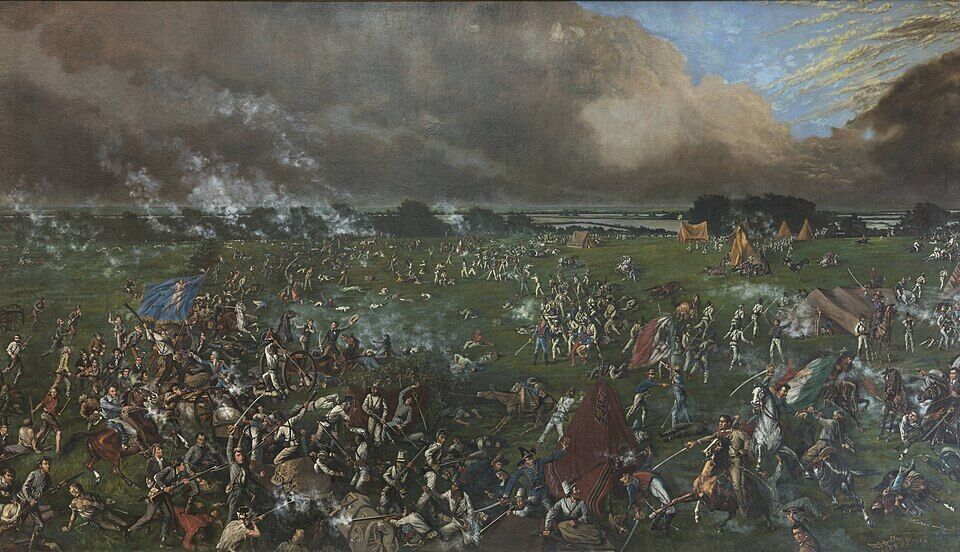
Title Year DetailFought on April 21, 1836, the Battle of San Jacinto was the 18-minute final engagement of the Texas Revolution. Following the falls of the Alamo and Goliad, General Sam Houston led approximately 800 Texian troops in a surprise afternoon assault against General Antonio López de Santa Anna’s resting 1,200-man Mexican army along Buffalo Bayou. Screaming "Remember the Alamo! Remember Goliad!", the Texians routed the Mexican lines, killing 650 enemy soldiers and capturing hundreds while suffering minimal casualties. Santa Anna was captured the next day and forced to sign the Treaties of Velasco, ordering all Mexican troops to withdraw south of the Rio Grande and paving the way for the Republic of Texas to secure its independence. CaptionThe Battle of San Jacinto by Henry Arthur McArdle. Caption 2 Save
Title Year DetailKey Jewish figures at San Jacinto and during the Texas Revolution include: Albert Emanuel: Nacogdoches merchant who served as a private in Captain Kimbro’s Eighth Company at San Jacinto. Kohn: Member of Deaf Smith’s Spy Company who helped intercept Mexican intelligence and destroy Vince’s Bridge. Dr. Isaac Lyons: Served as surgeon-general under General Tom Jefferson Green. Samuel Isaacks: Early settler (arrived 1821) who fought at San Jacinto with the Jasper Volunteers. Eugene Joseph Chimene: First recorded Jewish resident of Houston; combatant at San Jacinto. M.K. Moses: Escaped Coleto Creek and fought at San Jacinto off the official muster rolls. CaptionJewish figures at San Jacinto as depicted in Valor & Virtue. Caption 2 Save
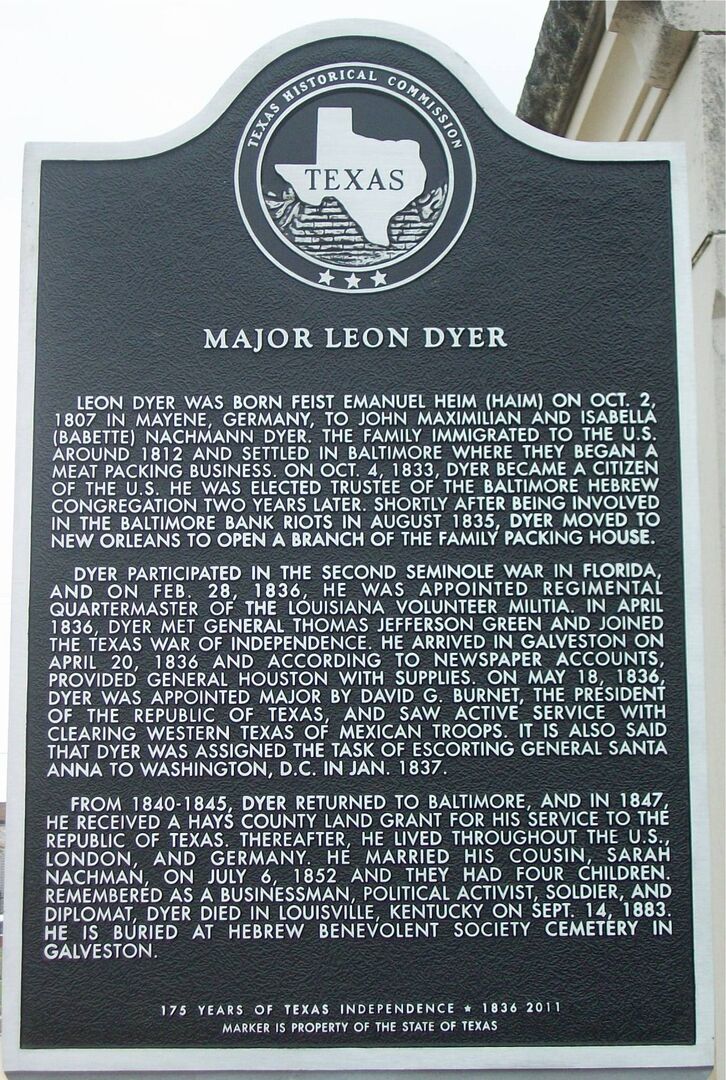
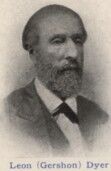
Title Year DetailBorn in Dessau, Germany, in 1807, Leon Dyer contributed significantly to the Texas Revolution around the time of the Battle of San Jacinto. After generously funding the New Orleans Greys and serving as a quartermaster in the Louisiana Volunteer Militia, he joined General Thomas Jefferson Green's forces bound for Texas. Arriving at San Jacinto shortly after the fighting ended, Dyer immediately assisted the wounded General Sam Houston by providing him with a tent, a blanket, bandages, and critical medicines. As Texas forces worked to clear the remaining Mexican army from the region, Dyer assumed command of Green's brigade when Green left for civil government service. During this post-battle period, he also befriended the captured General Santa Anna while the Mexican leader was held prisoner. Dyer later continued his military service as a colonel on Winfield Scott’s staff during the Mexican-American War. CaptionLeon Dyer. Caption 2 Save
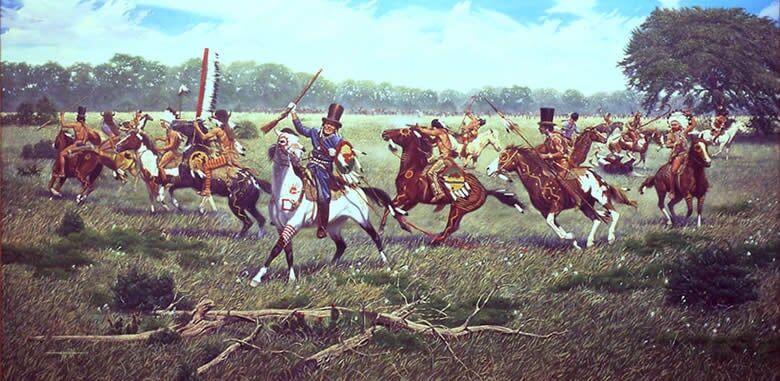
Title Year DetailFought on July 15–16, 1839, the Battle of the Neches was the decisive engagement of the Cherokee War. Sparked by fears of a Mexican-Cherokee alliance and land disputes, Texas President Mirabeau B. Lamar ordered the tribe's forced removal to Indian Territory. When negotiations broke down, General Kelsey Douglass led roughly 500 Texians against the Cherokee near the Neches River. Adolphus Sterne served as captain of a volunteer company under Douglass. Sterne was slightly wounded in the intense two-hour fight, which resulted in around 100 Indian casualties—including Chief Bowl—and ended the major Cherokee presence in Texas. CaptionPainting, The Battle of the Neches, by Donald M. Yena. Caption 2 Save
Title Year DetailThe Battle of Plum Creek occurred on August 12, 1840, near present-day Lockhart, Texas, following the Great Raid of 1840. Retaliating for the Council House Fight, Chief Buffalo Hump led a massive Comanche war party that sacked Victoria and Linnville. As the Comanches retreated toward West Texas with vast plunder and captured livestock, Texas Rangers, militia volunteers, and Tonkawa allies intercepted them at Good's Crossing on Plum Creek. The running gunfight resulted in a decisive Texian victory, recovering much of the stolen goods and pushing the Comanches westward. Texian casualties were minimal, with one killed and seven wounded; among those reported killed by Indians during this engagement period was Benjamin H. Mordecai, survivor of Goliad, who was possibly slain in or around the battle. CaptionPainting of the Battle of Plum Creek. Caption 2 Save
Title Year DetailBetween 1821 and 1846, intense political instability, military coups, and the loss of Texas left Mexico deeply fractured. Tensions with the U.S. escalated over border disputes, aggressive purchase attempts, and poorly enforced treaties. The tipping point came in 1845 when the U.S. annexed Texas. Viewing this as a declaration of war, Mexican leaders rejected peace envoys and mobilized troops at Matamoros. General Zachary Taylor countered by deploying the U.S. Army of Occupation along the Rio Grande. Hostilities erupted on April 25, 1846, during the "Thornton Affair," when Mexican forces ambushed an American scouting party. CaptionThornton Affair. Caption 2 Save
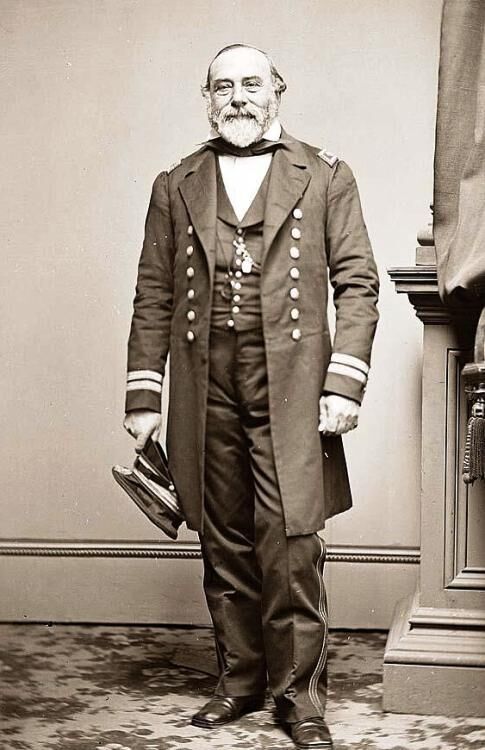
Title Year DetailHenry Benjamin Nones - Henry Benjamin Nones (1804–1868), son of Revolutionary War veteran Benjamin Nones, served a distinguished career in the U.S. Revenue Cutter Service (precursor to the Coast Guard). Joining in 1831, he initially served aboard the Pulaski and later as a First Lieutenant on the Andrew Jackson during the Second Seminole War, supporting U.S. Army operations off Florida's coast before his promotion to Captain in 1838. In the 1840s, he commanded the Levi Woodbury and became the first captain of the Legare. During the Mexican-American War, Nones commanded the USRC Forward, arriving at the Rio Grande in June 1846 to support General Zachary Taylor by blockading Mexican ports and disrupting supply lines. Most notably, in October 1846, he participated in Commodore Matthew C. Perry's First Battle of Tabasco. Following the engagement, Perry placed Nones in command of both the Forward and McLane to maintain a strategic blockade of the Tabasco River. After he ran coastal dispatches through 1847. CaptionHenry Benjamin Nones (1804–1868). Source: USCG Historian's Office. Caption 2 Save
Title Year DetailJonas Phillips Levy - Jonas Phillips Levy (1807–1883), younger brother of Commodore Uriah Phillips Levy, ran away to sea at age sixteen and led an adventurous maritime career, including participation in an 1830s Peruvian revolution. By the 1840s, political unrest forced him and his brother Morton to abandon their business in Mexico and flee. In December 1846 during the Mexican-American War, Secretary of War William L. Marcy called Levy into service. Purchasing the transport vessel American, Levy took command and sailed under General Winfield Scott’s orders to Veracruz, where his ship ferried U.S. troops and munitions ashore during the siege. Following the city's capture, General Scott appointed Levy as Captain of the Port of Veracruz, effective April 1, 1847. CaptionJonas Phillips Levy (1807–1883) Source: John L. Loeb, Jr. Database of Early American Jewish Portraits Caption 2 Save
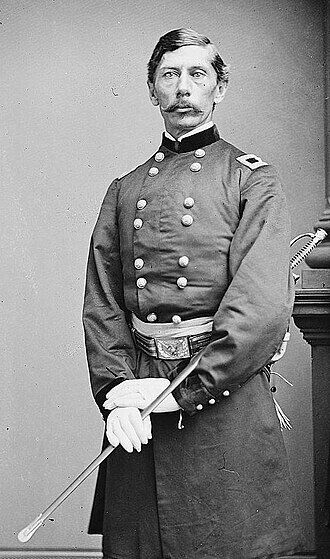
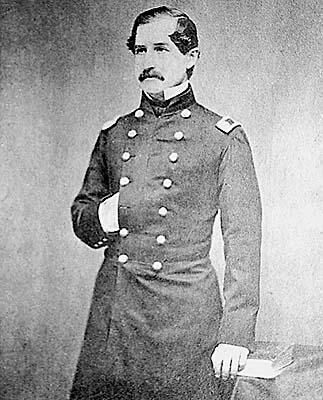
Title Year DetailSeveral Jewish soldiers served under Taylor, in the initial battles including Captain Michael Sztyfft, West Point graduates Henry Moses Judah and brevet Major Abraham Charles Myers, Leon Dyer, and surgeon David Camden DeLeon. Later on in the engagements on Mexican soil Henry Seeligson, Henry Weiner, and Henry Seesel. Jacob Arnstein a Private of Captain James Irvine's Company G 4th Regiment of Ohio Volunteers originally served under Taylor performing garrison duty at Matamoros, Mexico until his unit joined Scott’s campaign. CaptionPortrait of Brig. Gen. Henry M. Judah (1821-1866), officer of the Federal Army. Source: Library of Congress. Caption 2Abraham Charles Myers (1811-1889). Public domain. Save
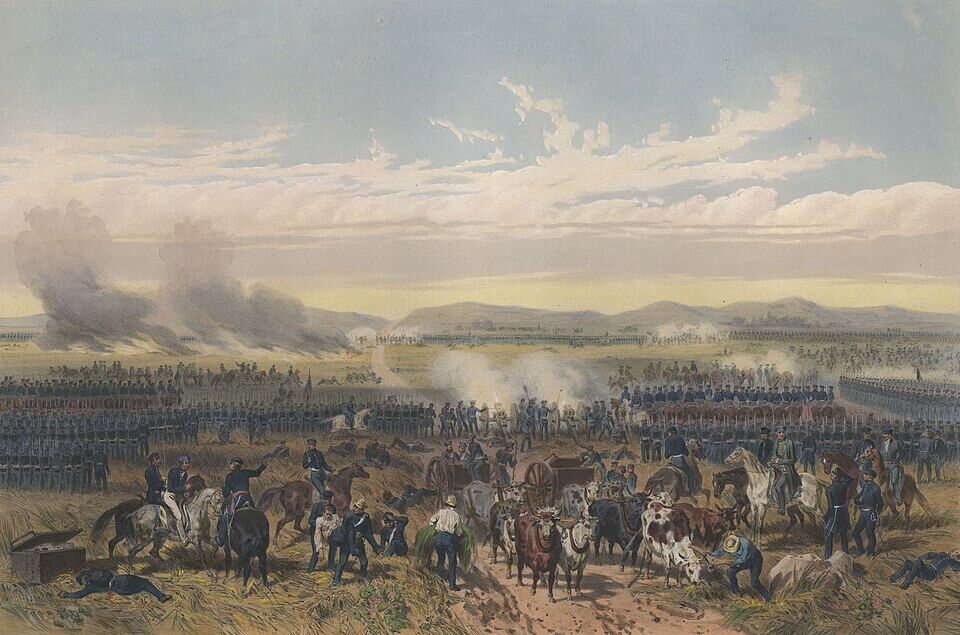
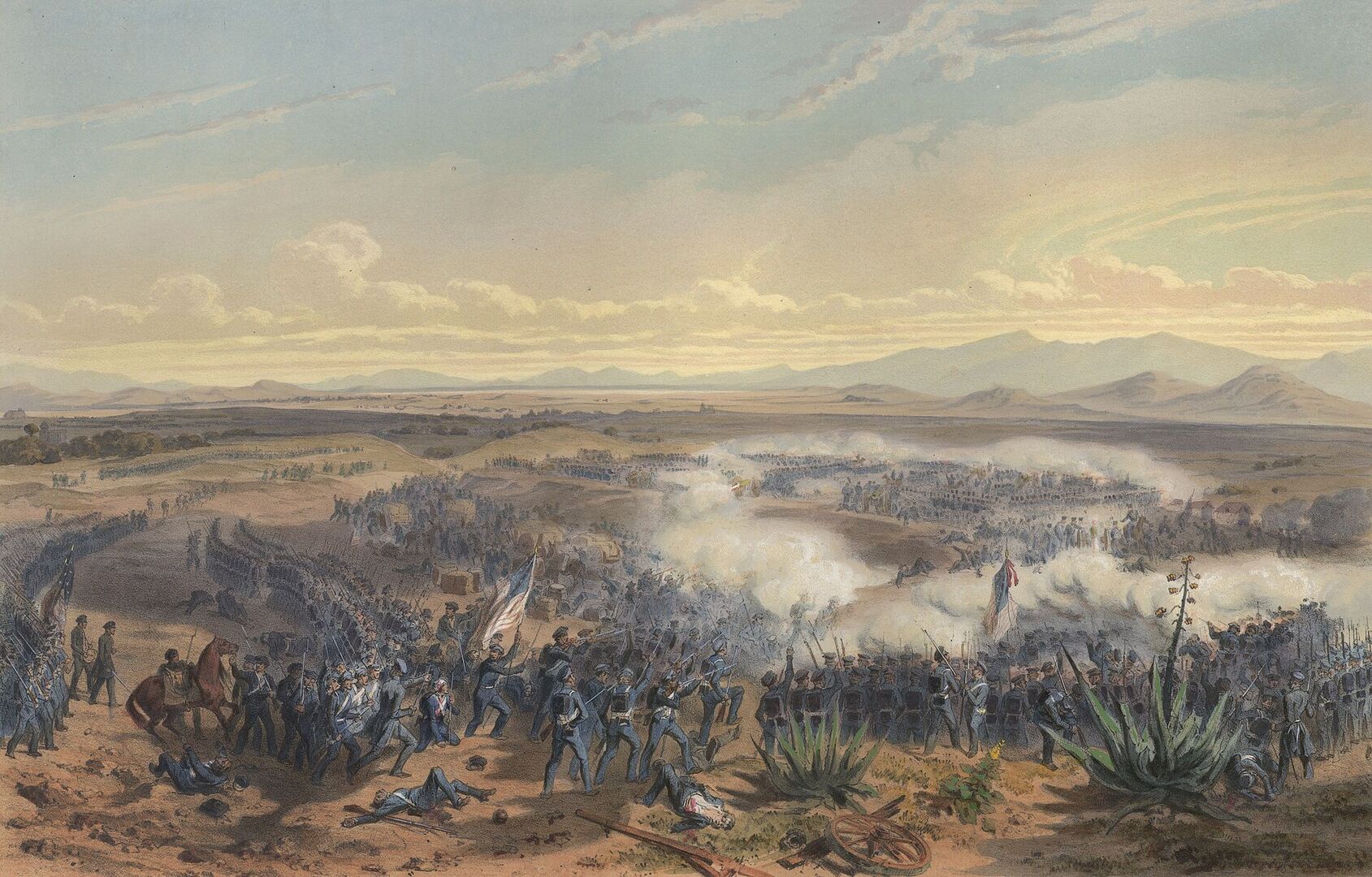
Title Year DetailThe Battle of Palo Alto was the first major engagement of the Mexican–American War, occurring just days before the U.S. formally declared war. Mexican General Mariano Arista led approximately 3,700 troops to intercept U.S. General Zachary Taylor’s 2,300-man force, which was marching to relieve the besieged American outpost at Fort Texas. The battle opened with an artillery duel. Arista ordered two separate cavalry charges against the American flanks, but both were repelled by disciplined U.S. infantry formations and artillery fire. A grass fire temporarily halted the fighting, and though the engagement rotated and continued until dusk, the Mexican forces suffered heavy casualties and were forced to withdraw south under the cover of night. CaptionBattle of Palo Alto near Brownsville, fought on May 8, 1846 in the Mexican-American War. View from behind the U.S. lines towards the Mexican positions in the south. Painting by Carl Nebel. Originally published in George Wilkins Kendall & Carl Nebel: The War between the United States and Mexico Illustrated, Embracing Pictorial Drawings of all the Principal Conflicts, New York: D. Appleton; Philadelphia: George Appleton [Paris: Plon Brothers], 1851. Caption 2 Save
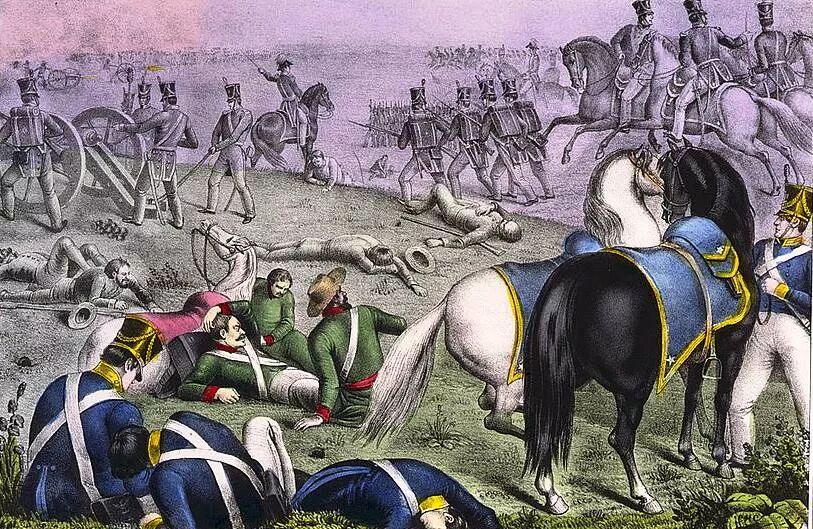
Title Year DetailThe following day, Arista repositioned his retreating army three miles north of the Rio Grande along a resaca (a dry riverbed) surrounded by dense chaparral. He chose this terrain specifically to neutralize the effective American artillery. Taylor’s forces engaged the Mexican lines in the mid-afternoon. Because of the thick underbrush, visibility was poor, unit cohesion broke down, and the battle dissolved into disorganized, independent skirmishes. A dragoon charge to capture the Mexican artillery battery overshot the objective, but trailing U.S. infantry assaults successfully secured the guns. After a cavalry counterattack, U.S. forces soon turned the Mexican left flank, causing the entire Mexican army to panic and flee across the Rio Grande. The victory relieved the siege of Fort Texas and cleared the way for Taylor to invade Mexico. News of the twin victories reached the American public simultaneously with the declaration of war, triggering an enormous surge of wartime volunteer enlistments and establishing General Taylor as a national hero. CaptionClose quarters fighting produced heavy casualties in the U.S. and Mexican ranks. Source: Library of Congress Caption 2 Save
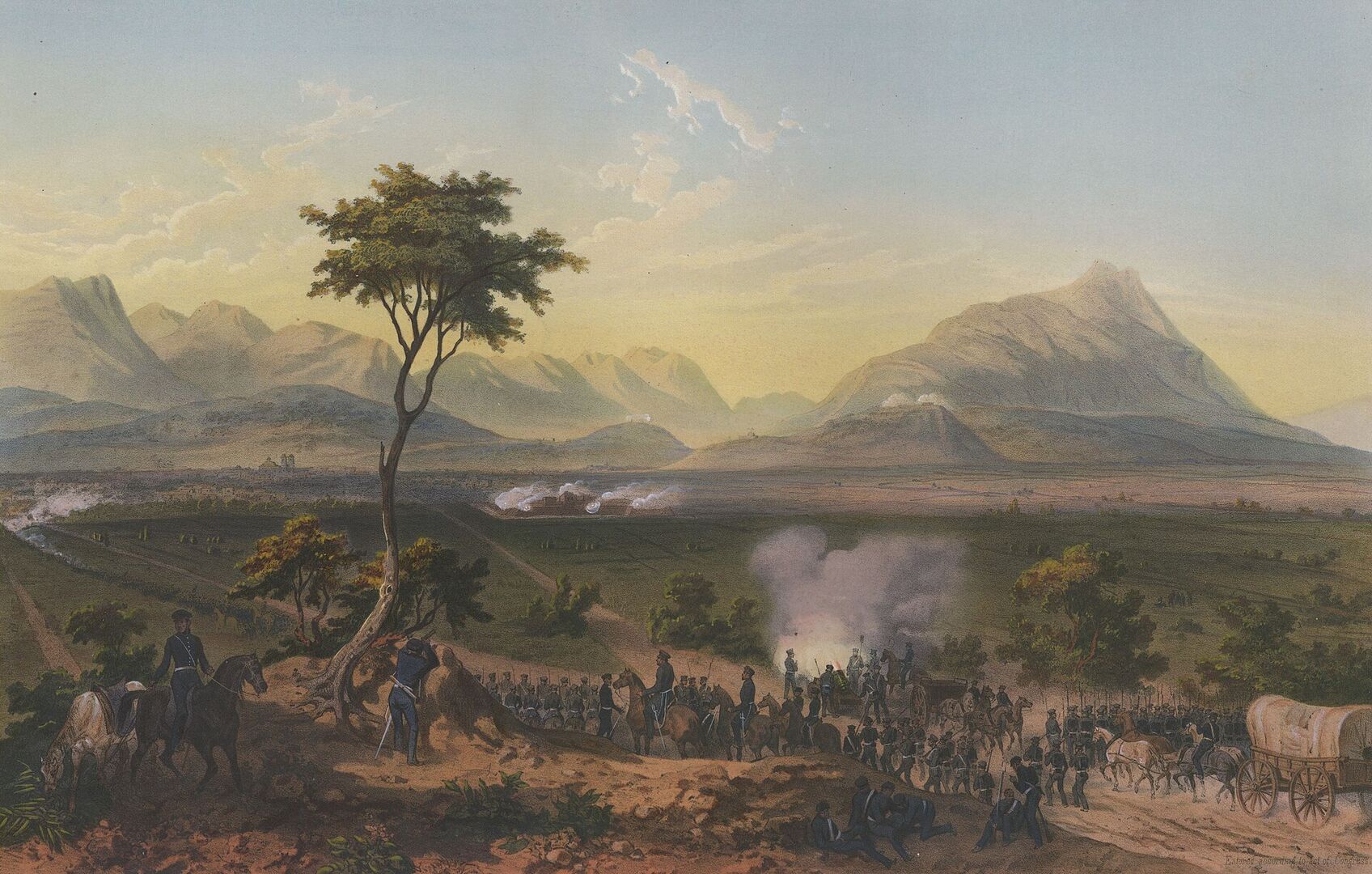
Title Year DetailEventually Taylor pressed forward deeper into Mexico to pursue the Mexican force fighting under General Pedro Ampudia. It was a hard fought and costly triumph for Taylor characterized by difficult assaults on mountainous forts overlooking the city and brutal clashes within the city. CaptionCapture of Monterey [sic]. Depiction of the Battle of Monterrey (September 21-23, 1846) in the Mexican-American War. Painting by Carl Nebel. Originally published in George Wilkins Kendall & Carl Nebel: The War between the United States and Mexico Illustrated, Embracing Pictorial Drawings of all the Principal Conflicts, New York: D. Appleton; Philadelphia: George Appleton [Paris: Plon Brothers], 1851. Caption 2 Save
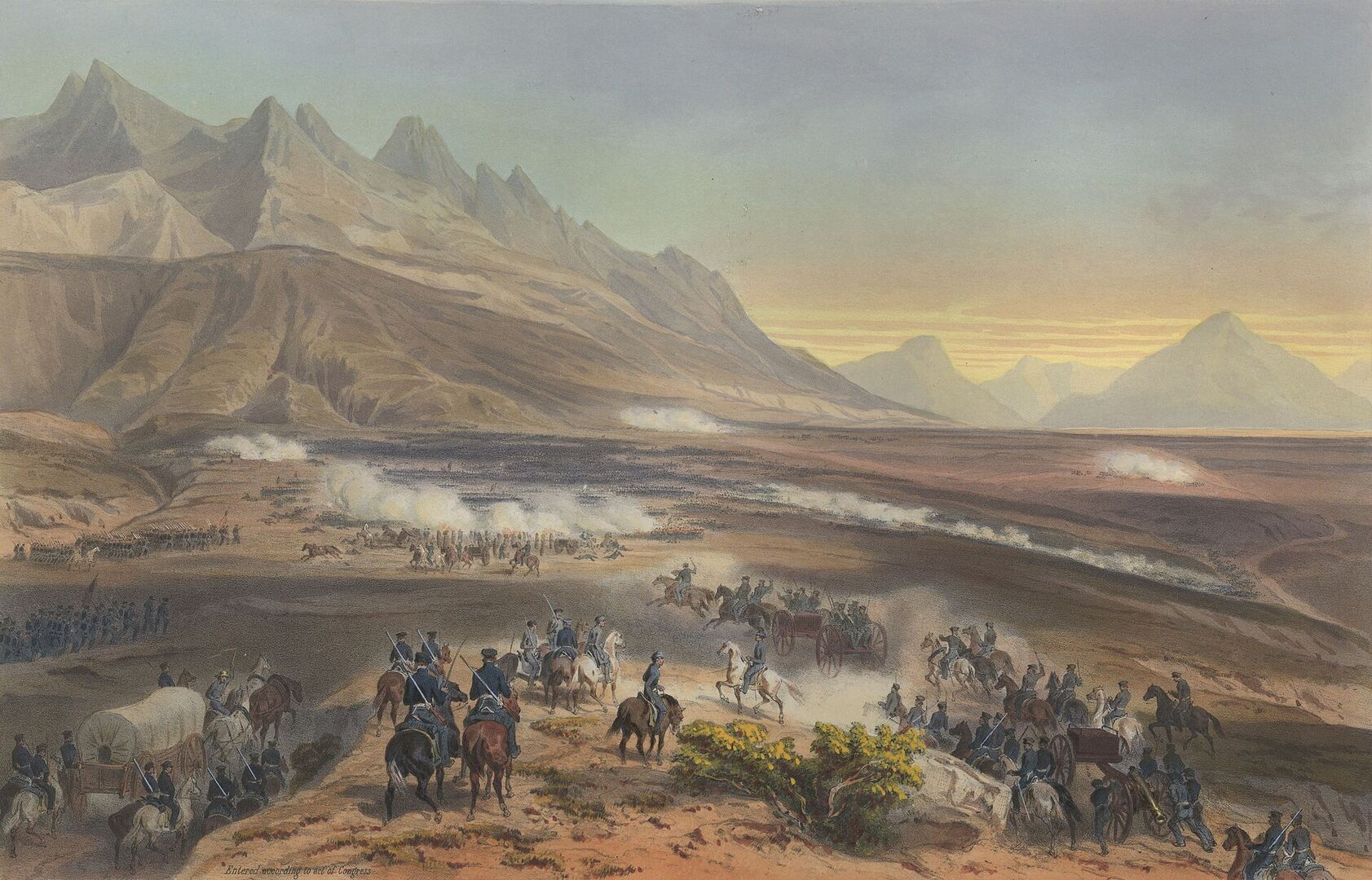
Title Year DetailWhen the American and Mexican armies clashed again, General Antonio López de Santa Anna had taken personal command. Following an uncertain first day of fighting, the Americans prepared for a second day, only to find the Mexican forces had retreated. The withdrawal weakened Santa Anna politically and shifted the conflict to central Mexico, where Winfield Scott was gathering his troops. CaptionBattle of Buena Vista (February 23, 1847) in the Mexican-American War. Painting by Carl Nebel. Originally published in George Wilkins Kendall & Carl Nebel: The War between the United States and Mexico Illustrated, Embracing Pictorial Drawings of all the Principal Conflicts, New York: D. Appleton; Philadelphia: George Appleton [Paris: Plon Brothers], 1851. Caption 2 Save
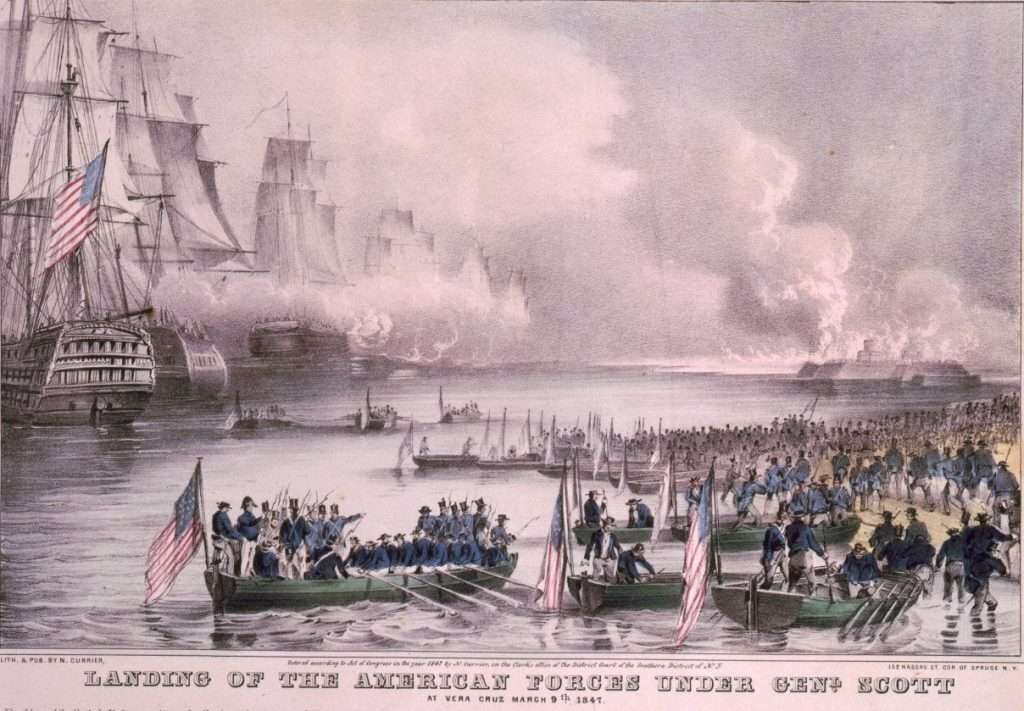
Title Year DetailThe Siege of Veracruz (March 9–29, 1847) was the first major amphibious assault in U.S. military history, serving as the opening move of General Winfield Scott’s campaign to capture Mexico City. Landing at Collado Beach without losing a man, U.S. forces completely surrounded the heavily fortified city and launched a devastating land and naval bombardment. Mexican forces surrendered on March 27, giving the U.S. control of Veracruz and Fort San Juan de Ulúa. Jewish figures at the Siege of Veracruz and during Scott's campaign: Jonas Phillips Levy: Appointed Captain of the Port of Veracruz by General Scott after purchasing and commanding the transport ship American to ferry troops and munitions ashore. Jacob Hirschorn: A 16-year-old immigrant who served with the New York Volunteers alongside approximately 17–18 other Jewish members of the regiment during the bombardment. Henry Moses Judah: Second Lieutenant who joined Scott's campaign after serving under General Taylor. Moritz Henry Weil: Private in Company "B", 3rd Regiment, U.S. Artillery, operating regular artillery elements during the siege. CaptionBattle of Vera Cruz by Nathaniel Currier. Source: Library of Congress Prints & Photographs Division. Caption 2 Save
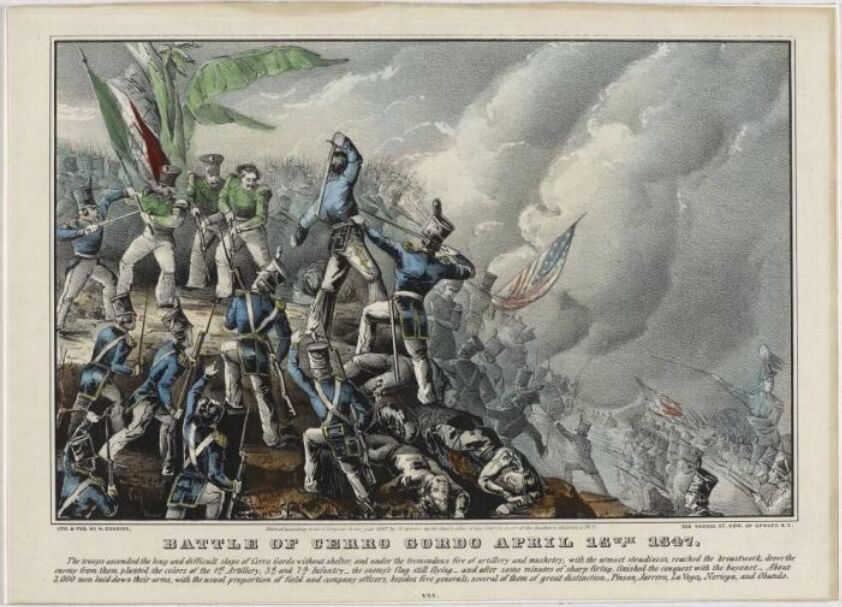
Title Year DetailThe Battle of Cerro Gordo was a critical engagement in the Mexican-American War as General Winfield Scott’s army marched inland from Veracruz toward Mexico City. General Antonio López de Santa Anna had established fortified positions along the mountain pass near Xalapa, centered at El Telégrafo. Under the direction of army engineers like Captain Robert E. Lee, U.S. forces executed a daring flanking maneuver, opening paths over steep chasms and manually hauling artillery up precipitous slopes using ropes. Surrounding the Mexican forces, the American troops secured a decisive victory after six hours of fighting, routing Santa Anna’s army and capturing nearly 3,000 prisoners. At least 20 Jews participated in the battle, including Second Lieutenant Henry Moses Judah, Private Moritz Henry Weil of the 3rd U.S. Artillery, and Jacob Hirschorn of the New York Volunteers, who helped haul artillery up the steep terrain under direct fire and assisted the wounded General James Shields before the regiment continued its advance toward Xalapa and Puebla. CaptionBattle of Cerro Gordo, April 18, 1847, by Nathaniel Currier. Source: The Bayou Bend Collection, gift of Miss Ima Hogg. Caption 2 Save
Title Year DetailFought on August 19–20, 1847, the Battle of Contreras (or Padierna) was a key opening engagement in General Winfield Scott’s assault on Mexico City. Mexican General Gabriel Valencia disobeyed General Santa Anna’s deployment orders, positioning his army south of Padierna near the rugged El Pedregal lava field. Exploiting the rough terrain, Captain Robert E. Lee surveyed a route across the lava, enabling American forces to flank Valencia’s position. After a night of cold rain, U.S. troops launched a surprise dawn attack from the rear, routing the Mexican army in seventeen minutes and capturing 22 artillery pieces alongside several generals. Valencia's defeat shattered Mexico's northern line and forced Santa Anna to fall back to his secondary defenses at Churubusco, setting the stage for the next phase of the campaign for the capital. CaptionAssault of Contreras (August 19-20, 1847) in the Mexican-American War. Painting by Carl Nebel. Originally published in George Wilkins Kendall & Carl Nebel: The War between the United States and Mexico Illustrated, Embracing Pictorial Drawings of all the Principal Conflicts, New York: D. Appleton; Philadelphia: George Appleton [Paris: Plon Brothers], 1851. Caption 2 Save
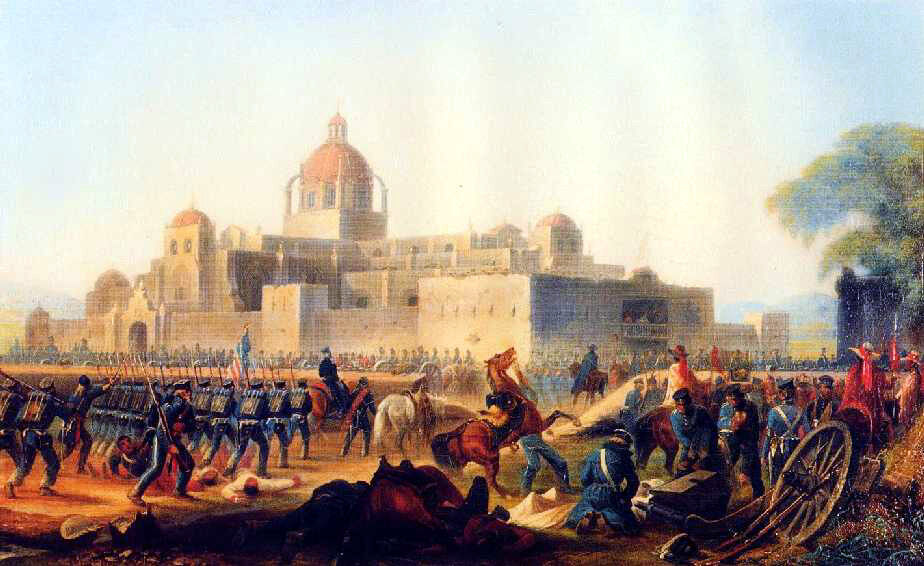
Title Year DetailFought on August 20, 1847, during the Mexican–American War, the Battle of Churubusco occurred as Mexican forces under General Santa Anna retreated toward Mexico City. Mexican troops heavily fortified key positions, including a bridgehead and the San Mateo Convent. Despite initial repulses and heavy fire across open fields, American divisions commanded by Winfield Scott stormed the defenses. American soldiers—among them Jewish participants Jacob Hirschorn, Jacob Valentine, William Hart (who lost a leg in the battle), Charles Abraham Myers, and Henry Moses Judah—broke through the Mexican lines with a decisive bayonet charge, forcing Santa Anna's army into a chaotic retreat. The victory delivered significant casualties to the Mexican defenders and resulted in the capture of over 1,800 prisoners and key artillery pieces. By securing the strategic bridge and convent, the U.S. Army advanced to within five miles (8 km) of Mexico City. CaptionConvent of Churubusco. Painting by James Walker. Caption 2 Save
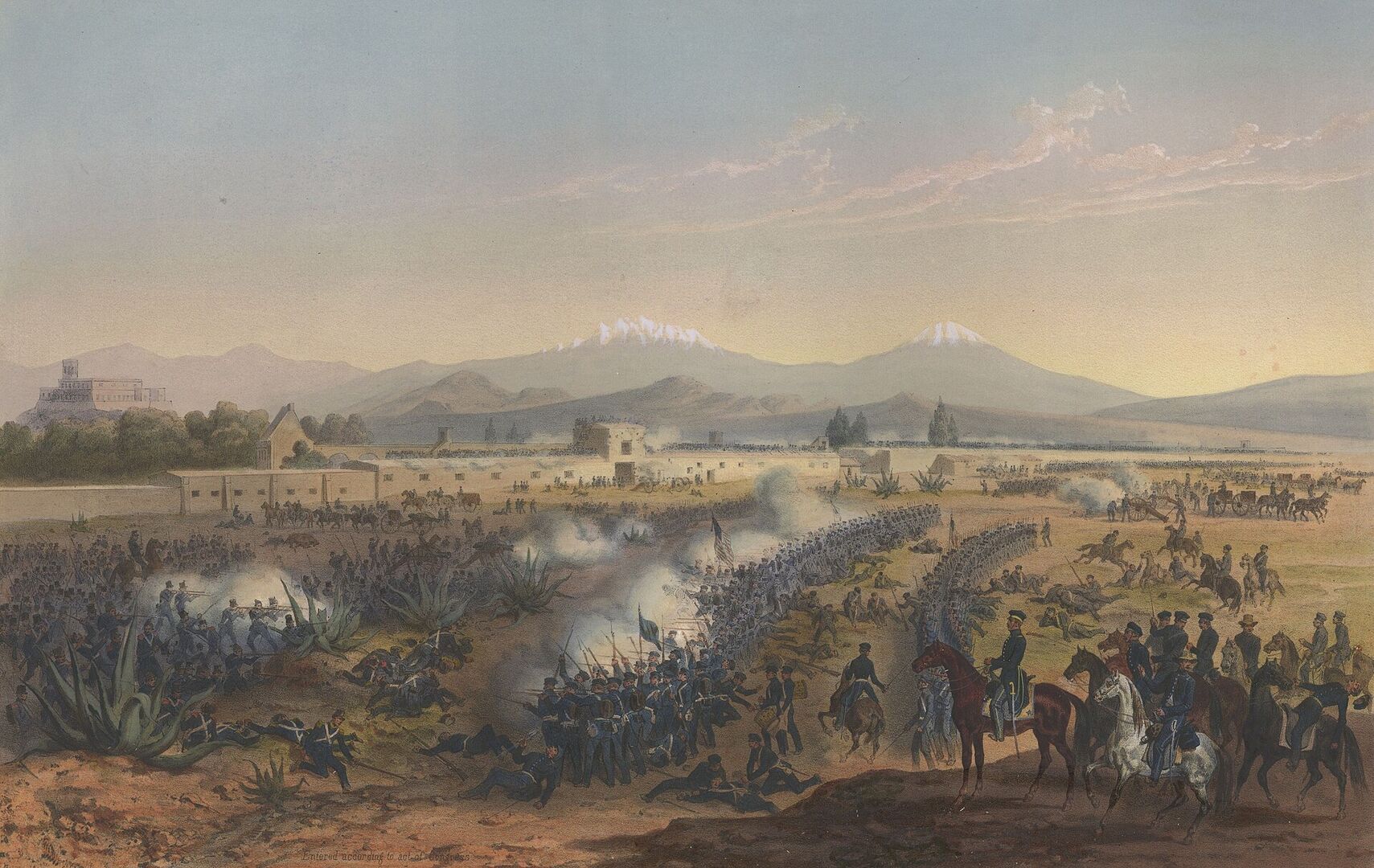
Title Year DetailFought on September 8, 1847, the Battle of Molino del Rey was one of the bloodiest encounters of the Mexican–American War. U.S. General Winfield Scott ordered Major General William Worth to attack a stone mill complex outside Mexico City, believing Mexican forces were using it as a cannon foundry. The assault met fierce resistance and counterattacks from heavily fortified Mexican defenses, costing high casualties on both sides, including the death of Mexican General Antonio León. U.S. forces—including Captain Ulysses S. Grant and Henry Moses Judah—eventually captured the mill after intense room-to-room fighting. For his actions, Judah was promoted to 1st Lieutenant by Brevet on September 8, 1847, "for gallant and meritorious conduct in the battle of Molino del Ray, Mexico." Considered a Pyrrhic victory due to high casualties and only finding a few gun molds, the battle nonetheless weakened Mexican lines prior to the assault on Chapultepec Castle. CaptionMolino del Rey – attack upon the molino (September 8, 1847) in the Mexican-American War. Painting by Carl Nebel. Originally published in George Wilkins Kendall & Carl Nebel: The War between the United States and Mexico Illustrated, Embracing Pictorial Drawings of all the Principal Conflicts, New York: D. Appleton; Philadelphia: George Appleton [Paris: Plon Brothers], 1851. Caption 2 Save
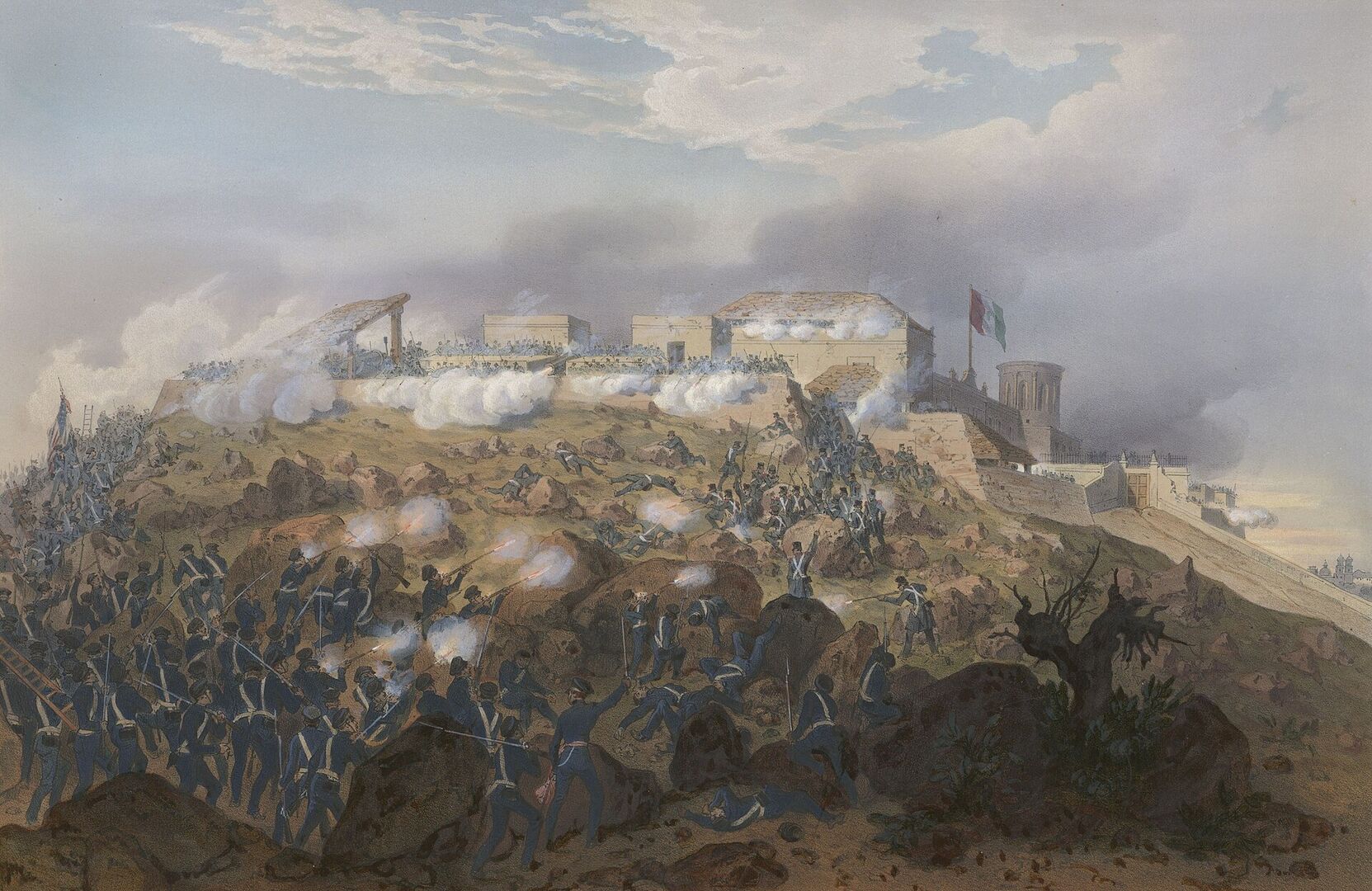
Title Year DetailOn September 13, 1847, U.S. forces under General Winfield Scott stormed Chapultepec Castle, a heavily fortified military academy guarding Mexico City. Following an extensive artillery barrage, American columns used scaling ladders to breach the walls, overwhelming General Nicolás Bravo’s defenders. The victory opened the way for U.S. troops to capture the Belén and San Cosmé gates, leading directly to the occupation of Mexico City. For his actions in the assault, Henry Moses Judah was promoted to Captain by Brevet on September 13, 1847, "for gallant and meritorious conduct in the battle of Chapultepec, Mexico." CaptionStorming of Chapultepec – Pillow's attack (September 13, 1847) in the Mexican-American War. Painting by Carl Nebel. Originally published in George Wilkins Kendall & Carl Nebel: The War between the United States and Mexico Illustrated, Embracing Pictorial Drawings of all the Principal Conflicts, New York: D. Appleton; Philadelphia: George Appleton [Paris: Plon Brothers], 1851. Caption 2 Save
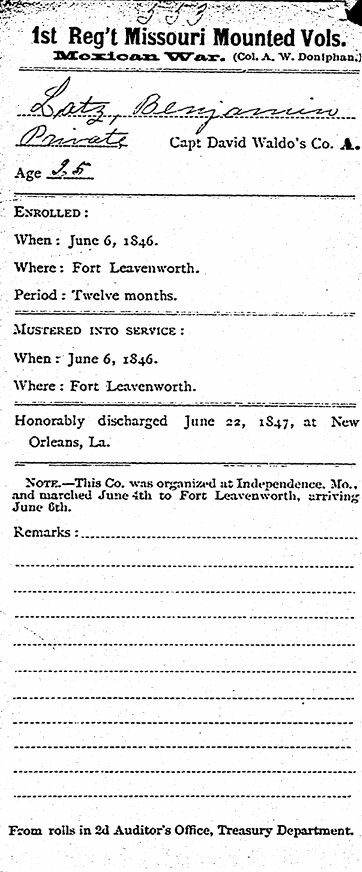
Title Year DetailFurther West, Benjamin Latz enrolled on June 6, 1846, at Fort Leavenworth for a period of twelve months. He served as a Private in Capt. David Waldo’s Company A of the 1st Regiment Missouri Mounted Volunteers, commanded by Colonel A. W. Doniphan (an Army of the West unit). While official military cards record his enlistment rank as Private, historical accounts note that he rose to the rank of Sergeant. He participated in the long overland march from Fort Leavenworth to Santa Fe, contributing to the conquest of New Mexico. His service included fighting against marauding Comanche Indians and taking part in the victory over entrenched Mexican forces at the Battle of Sacramento near Chihuahua on February 28, 1847. Latz was honorably discharged on June 22, 1847, at New Orleans, Louisiana. On June 30, 1847, Colonel Doniphan’s Missouri Volunteers, including Latz, arrived back in St. Louis to a triumphant welcome. Smitten with the region during his Mexican War service, Latz later returned to New Mexico, where he lived out the remainder of his life. Samuel Rosenberg served from 1848 to 1853 as a bugler in Company G, 1st U.S. Dragoons in the New Mexico Territory. CaptionBenjamin Latz's Muster Card. Source: National Archives. Caption 2 Save
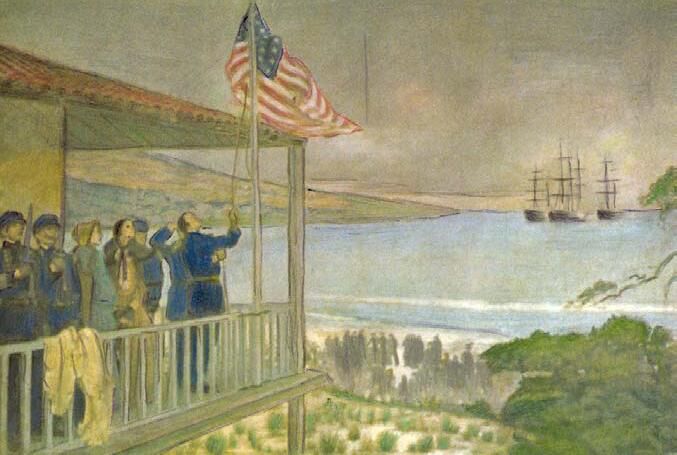
Title Year DetailCommadore John Drake Sloat - Commadore John Drake Sloat was appointed to lead the Pacific Squadron in 1844. He was instructed in 1845 to claim Alta California for the U.S. if war broke out with Mexico. Upon learning of skirmishes at the Texas border, he sailed north and captured Monterey, raising the American flag at the Customs House on July 7, 1846, and declaring California a U.S. territory. After serving as military governor for just 22 days, he turned the post over to Robert F. Stockton. Based on the prevalence of Jewish sailors in the Gulf of Mexico at the time it could be safely assumed that Jews served under Sloat as well and is an area deserving further research. Research into Brigadier General Stephen Watts Kearny’s Army of the West would surely find a Jew involved in the Conquest of California. CaptionOfficers of Commodore John D. Sloat raising the American flag on July 7, 1846 in Monterey, California. Caption 2 Save
Title Year DetailColonel Jonathan D. Stevenson’s 7th New York Volunteers In 1846, President Polk commissioned Colonel Jonathan D. Stevenson to raise 770 New York volunteers for the Mexican–American War, under the agreement that the men would settle in California after being discharged. Mustered into federal service as the 7th New York Volunteers, the regiment sailed around Cape Horn, arriving in San Francisco in March 1847. Upon arrival, Stevenson took command of Monterey under General Stephen W. Kearny before being appointed military commander of Southern California in May 1847, stationed in Los Angeles. Through historical accounts there are at least 19 Jews identified as part of Stevenson’s unit. CaptionJonathan Drake Stevenson (1800-1894) Caption 2 Save