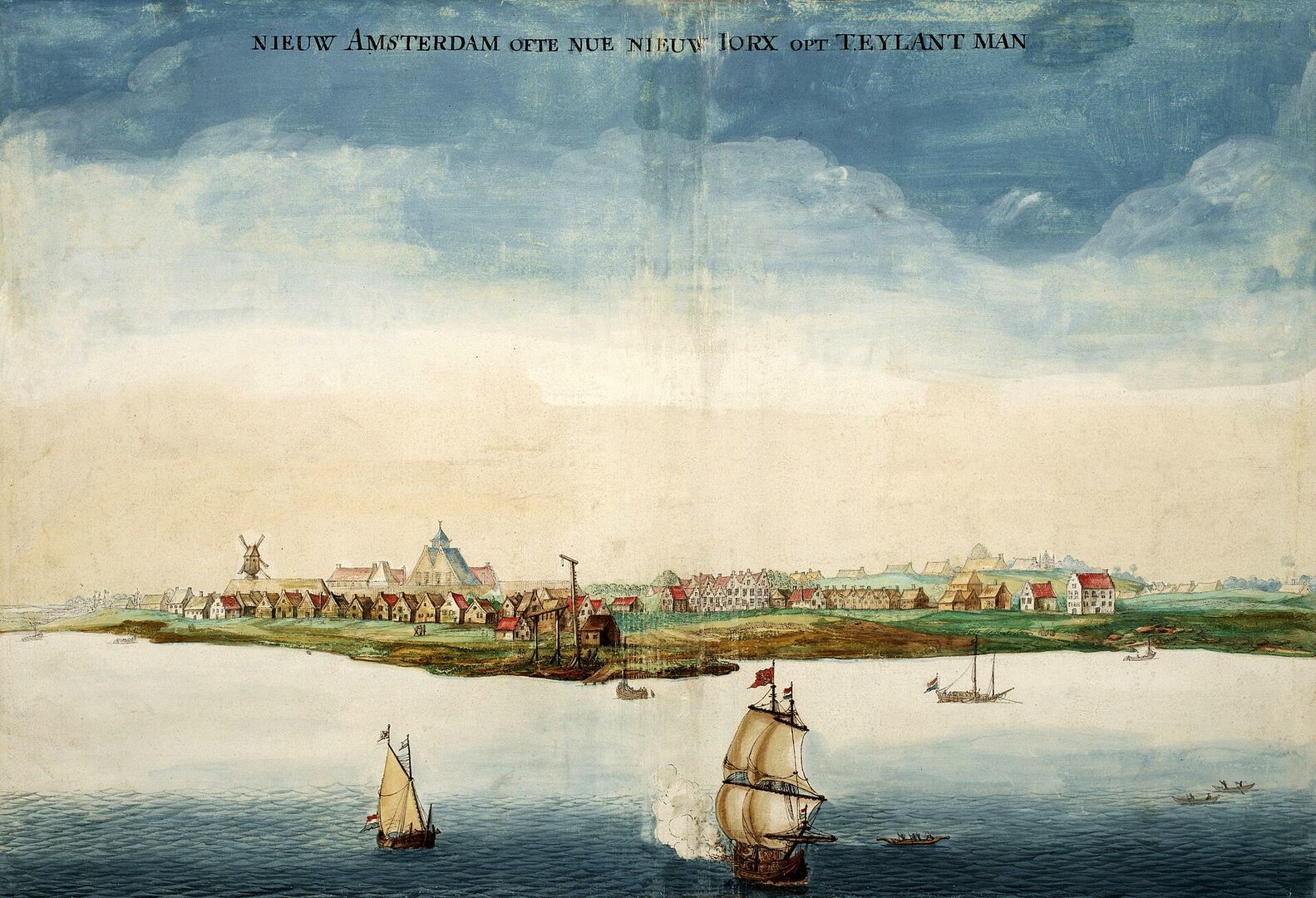
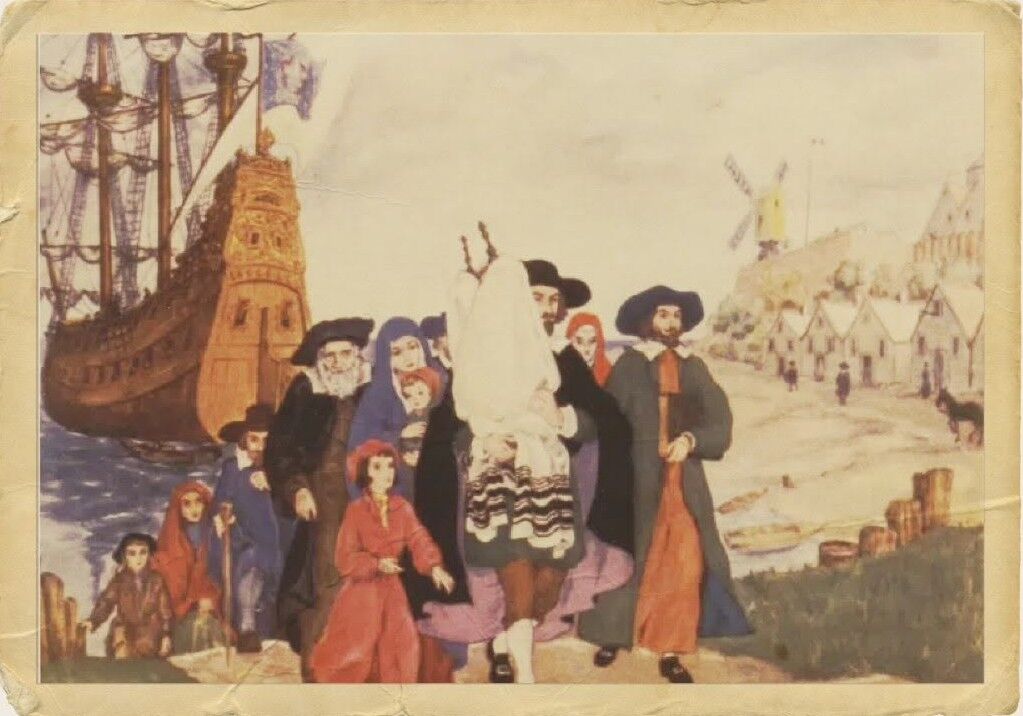
Title Year DetailBefore they could defend the colonies, Jewish settlers had to fight for the legal right to do so. In 1655, Asser Levy and Jacob Barsimson challenged director-general of New Netherland Peter Stuyvesant’s decree that Jews could not stand guard in New Amsterdam. They petitioned the Dutch West India Company and successfully won the right for Jewish colonists to bear arms and perform guard duty alongside their neighbors, establishing the precedent for Jewish civic participation. CaptionGezicht op Nieuw Amsterdam by Johannes Vingboons (1664), an early picture of Nieuw Amsterdam made in the year when it was conquered by the English under Richard Nicolls. Caption 2The Arrival of the "Jewish Mayflower" (September 1654) An artist’s depiction of the 23 Sephardic men, women, and children who founded North America's first organized Jewish community in New Amsterdam. After the Portuguese conquest of Dutch Brazil, the group fled Recife for Amsterdam aboard the Valck. Following a privateer attack off Jamaica that left them destitute, they negotiated passage to New Amsterdam with Jacques de la Motthe, captain of the French frigate St. Catrina. They landed in early September, greeted by Jacob Barsimson and Asser Levy, just days before Rosh Hashanah. Save
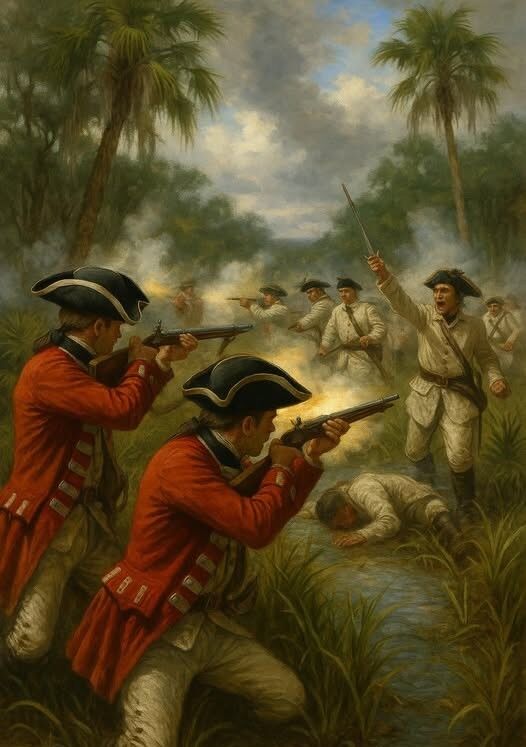
Title Year DetailWhen Georgia was the southernmost edge of the British colonies, its Jewish residents were integral to its survival against Spanish invasion. In 1733, the first Governor of Georgia, James Oglethorpe, enlisted the Jewish community of Savannah into the local militia, appointing Benjamin Sheftall as a Lieutenant. This militia was put to the ultimate test in 1742 on St. Simons Island during the Battle of Bloody Marsh, where they played a key role in defeating Spanish invaders and securing the Georgia colony. CaptionThe Battle of Bloody Marsh July 18, 1742. Caption 2 Save
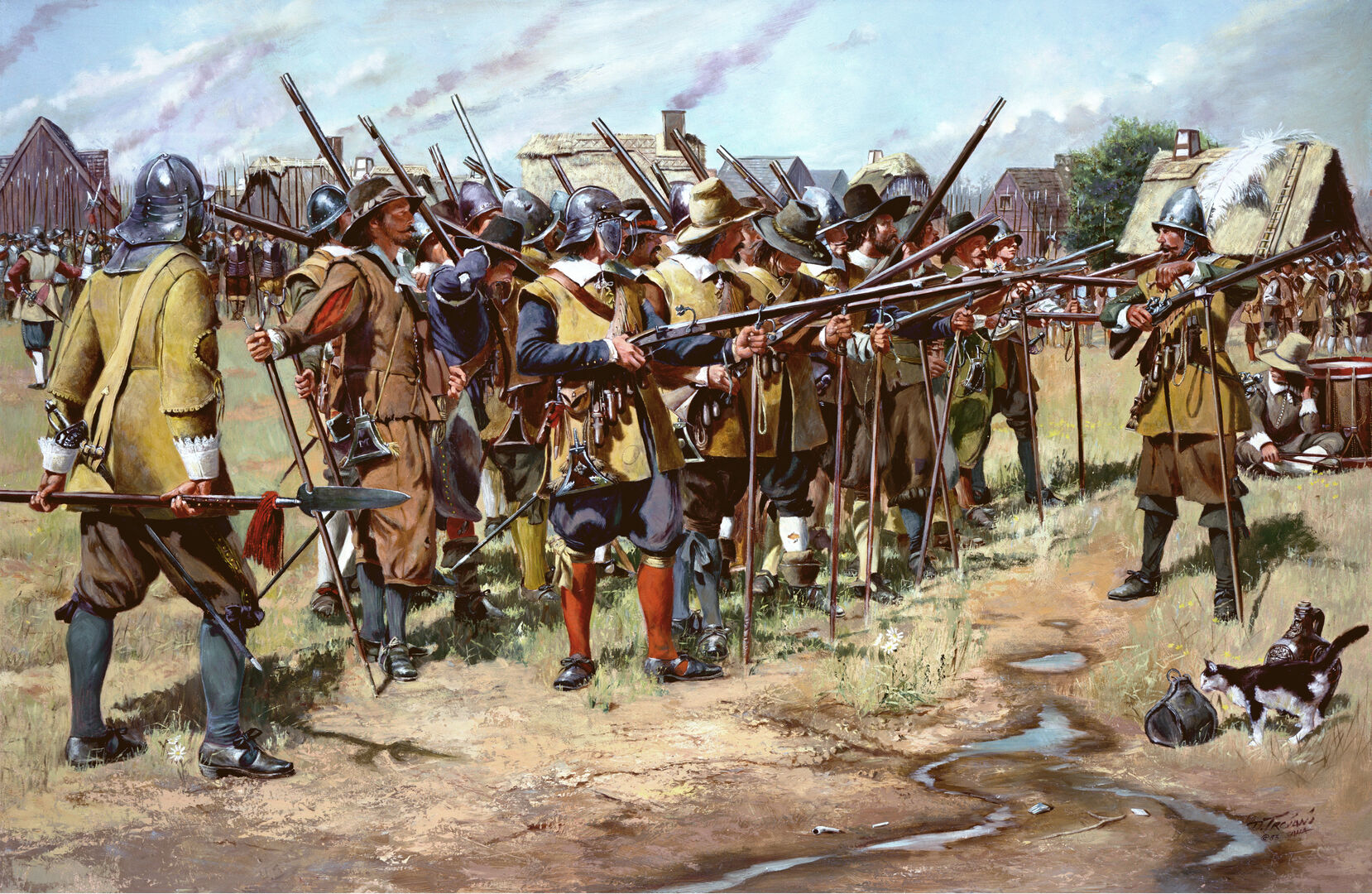
Title Year DetailThe history of the National Guard began on December 13, 1636, when the General Court of the Massachusetts Bay Colony ordered the organization of the Colony's militia companies into three regiments: The North, South and East Regiments. The colonists had adopted the English militia system which obligated all males, between the ages of 16 and 60, to possess arms and participate in the defense of the community. CaptionThe First Muster - Colonial muster in Massachusetts Bay Colony. The history of the National Guard began on December 13, 1636, when the General Court of the Massachusetts Bay Colony ordered the organization of the Colony's militia companies into three regiments: The North, South and East Regiments. The colonists had adopted the English militia system which obligated all males, between the ages of 16 and 60, to possess arms and participate in the defense of the community. Caption 2 Save
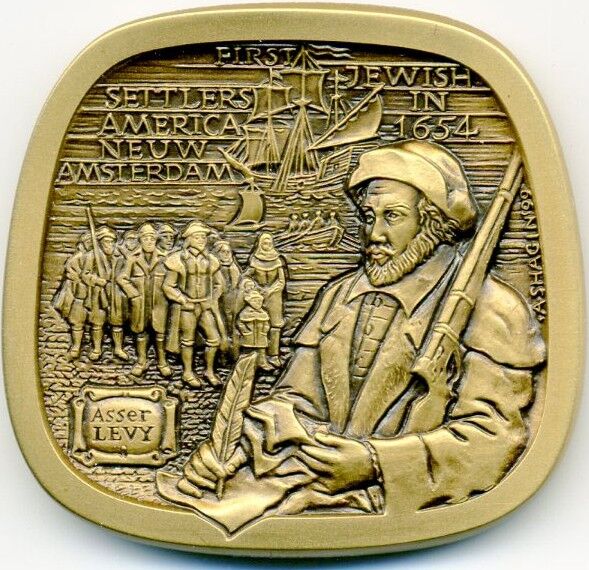
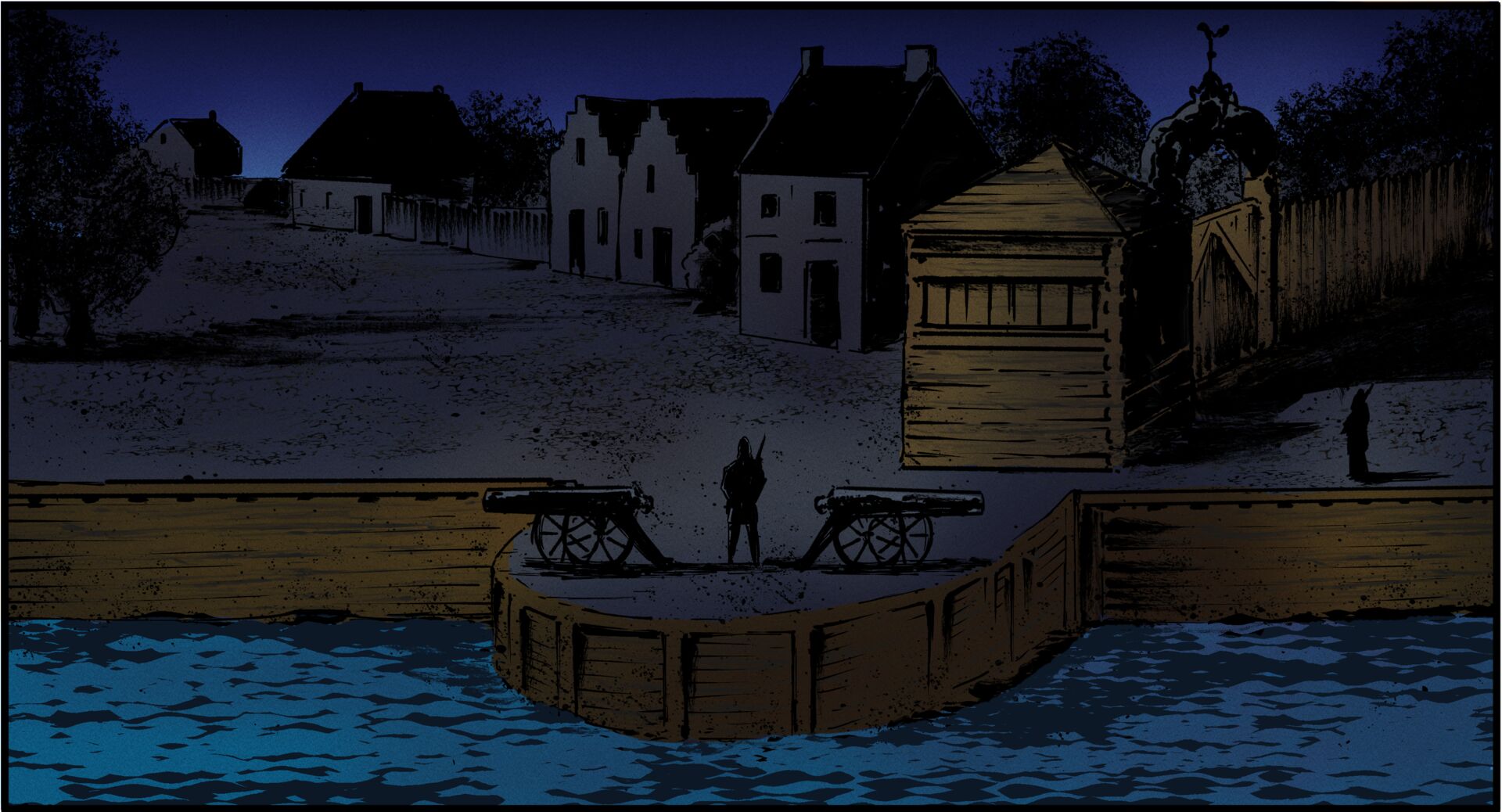
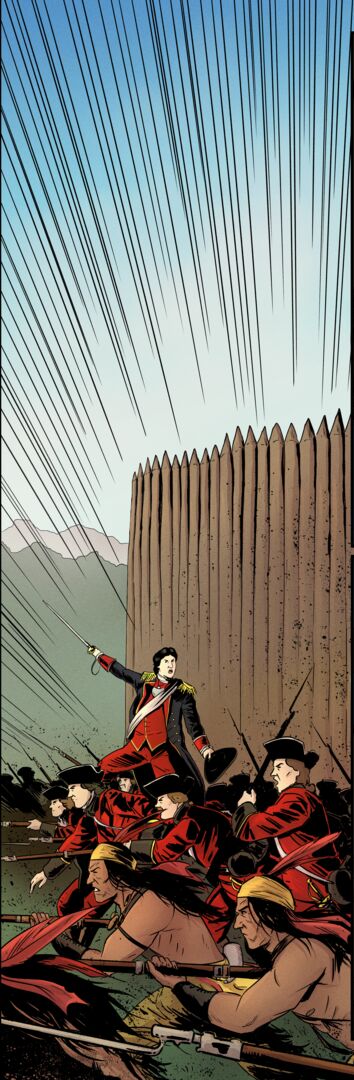
Title Year DetailAsser Levy and Jacob Barsimson lobbied the Dutch West India Company and Holland which granted them along with their fellow Jews the right to enlist in New Amsterdam’s Militia along with the other colonists. CaptionA medal depicting Asser Levy and the arrival of the first 23 Jewish Settlers in New Amsterdam. Caption 2Asser Levy standing guard as depicted in Valor & Virtue. Save
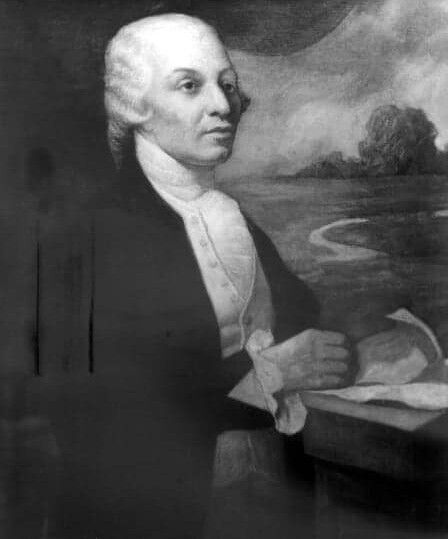
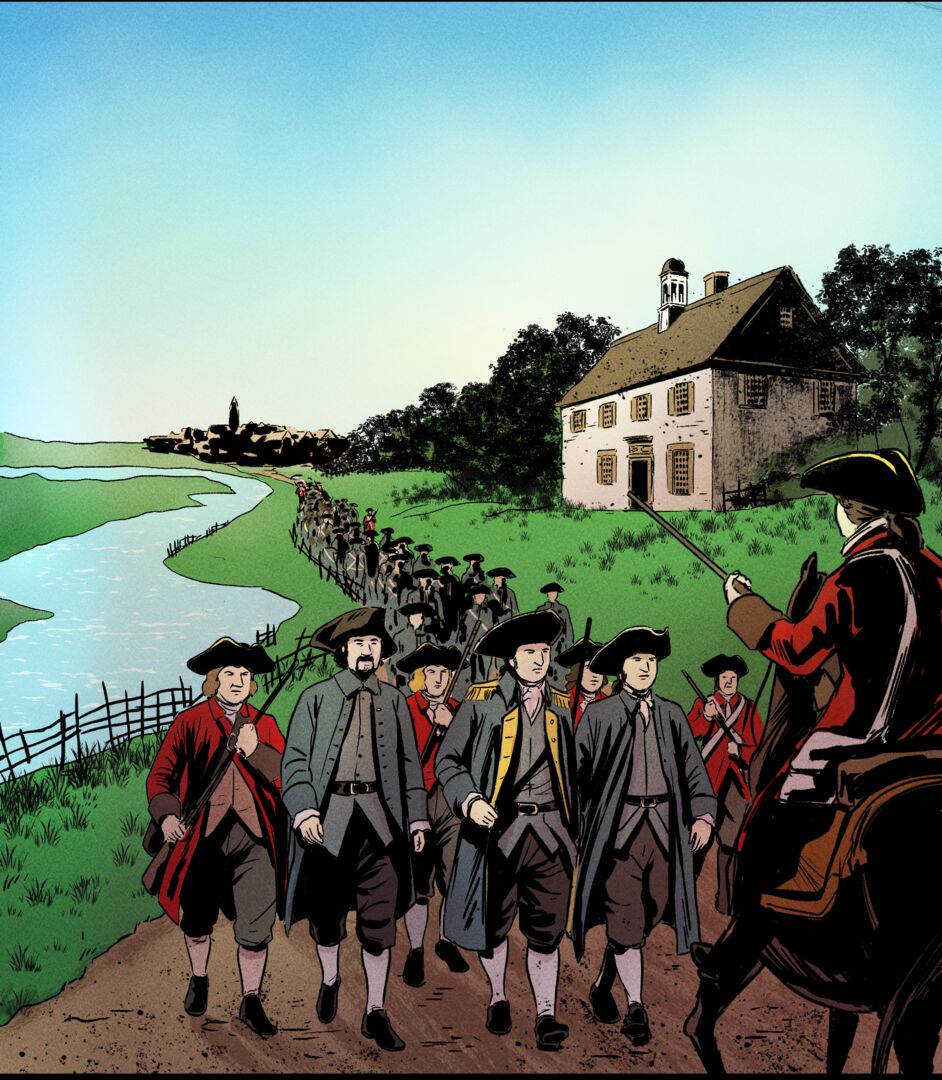
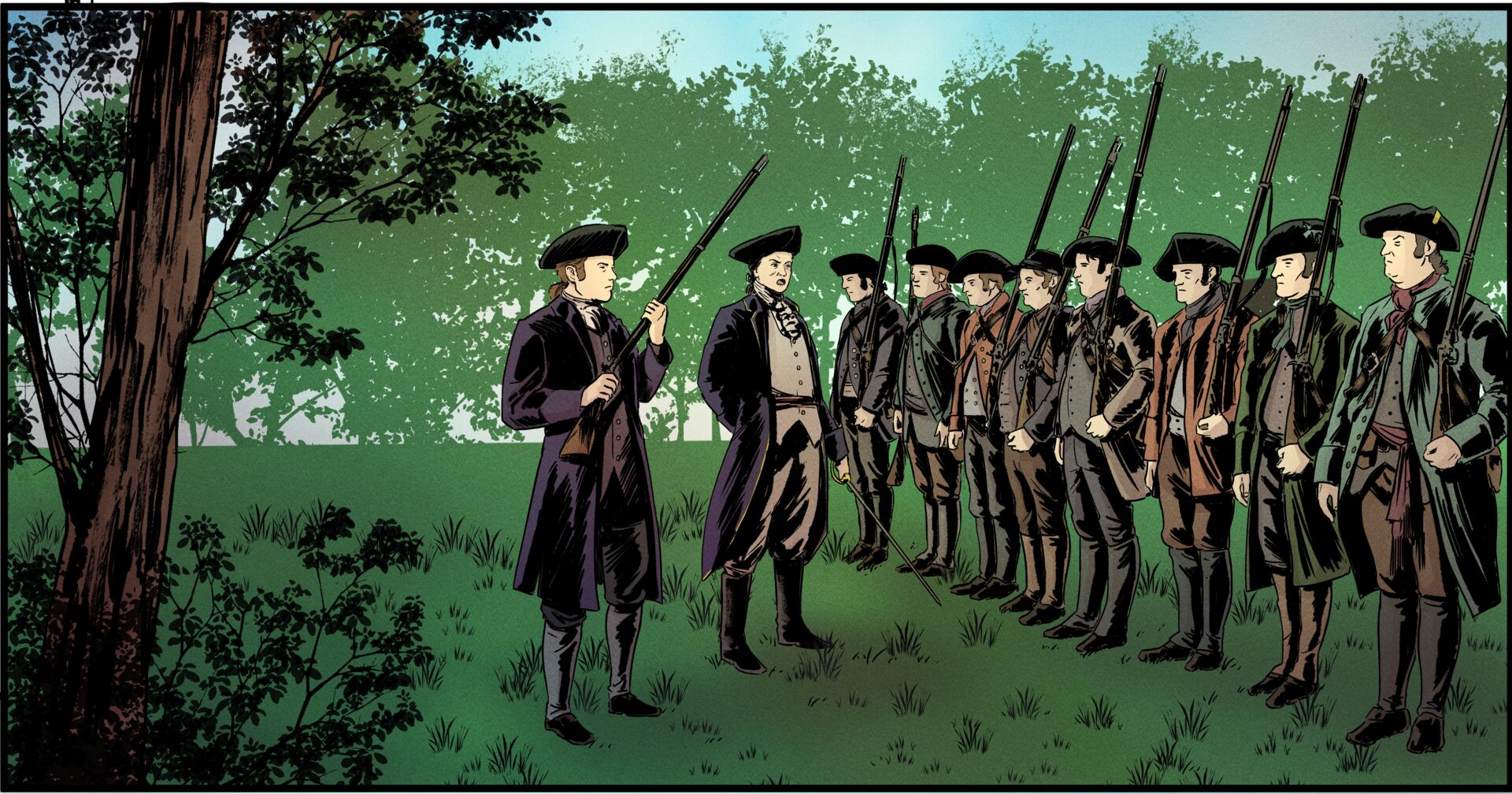
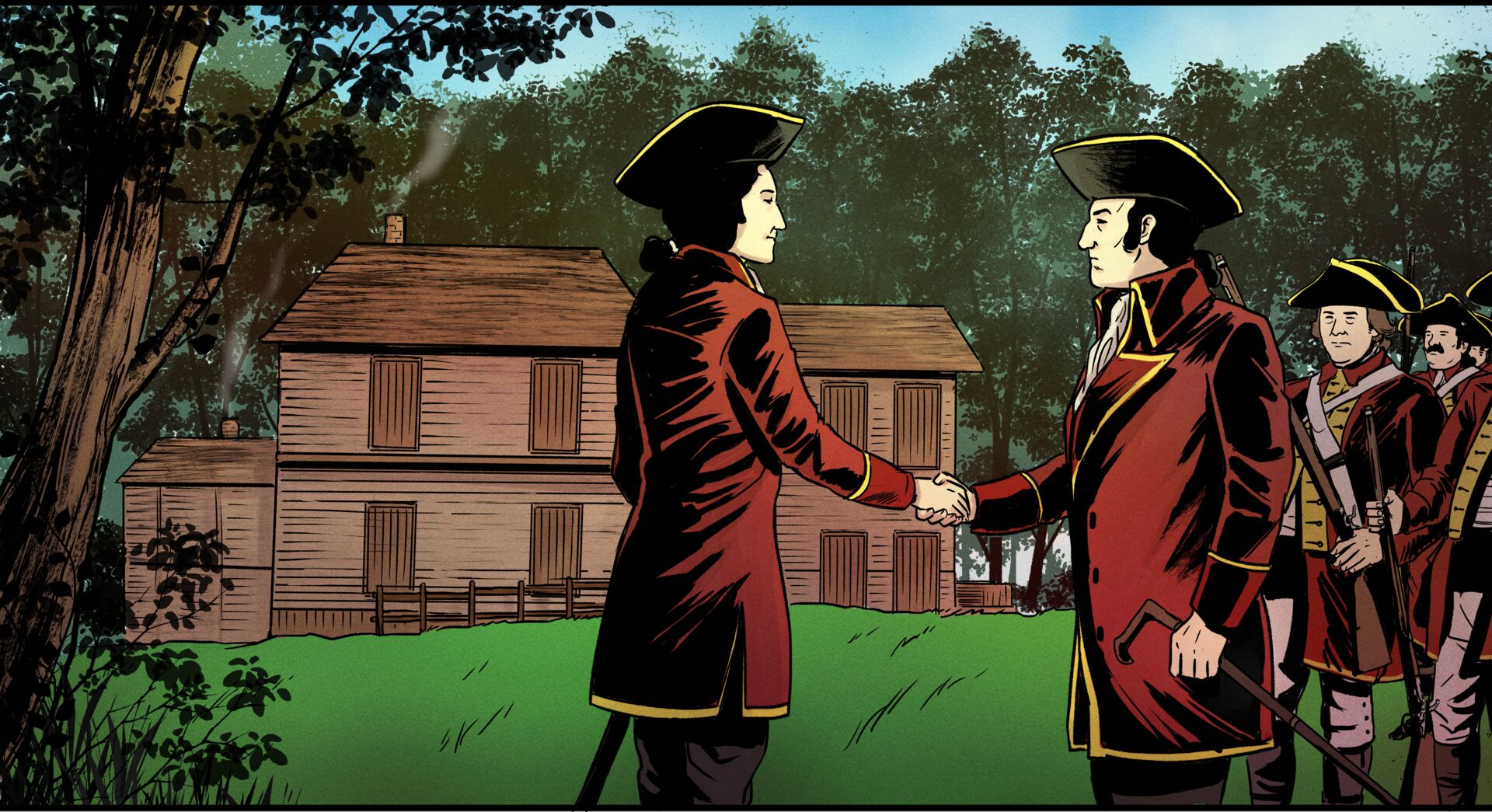
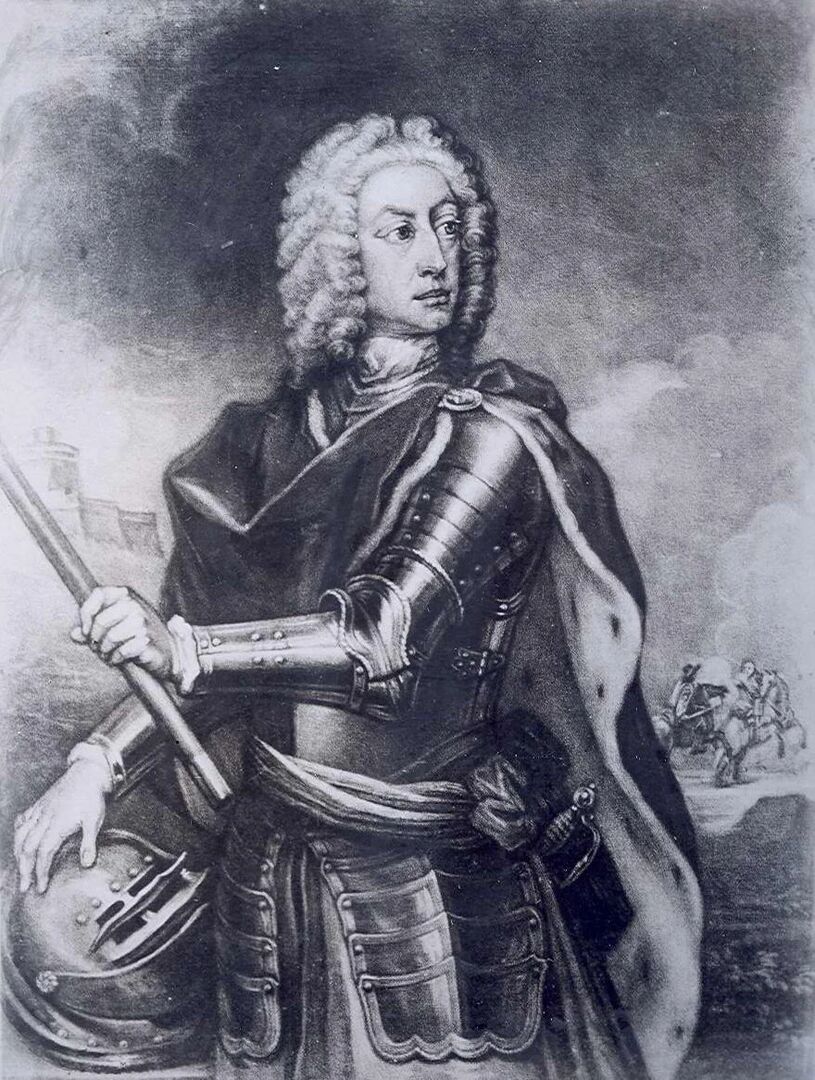
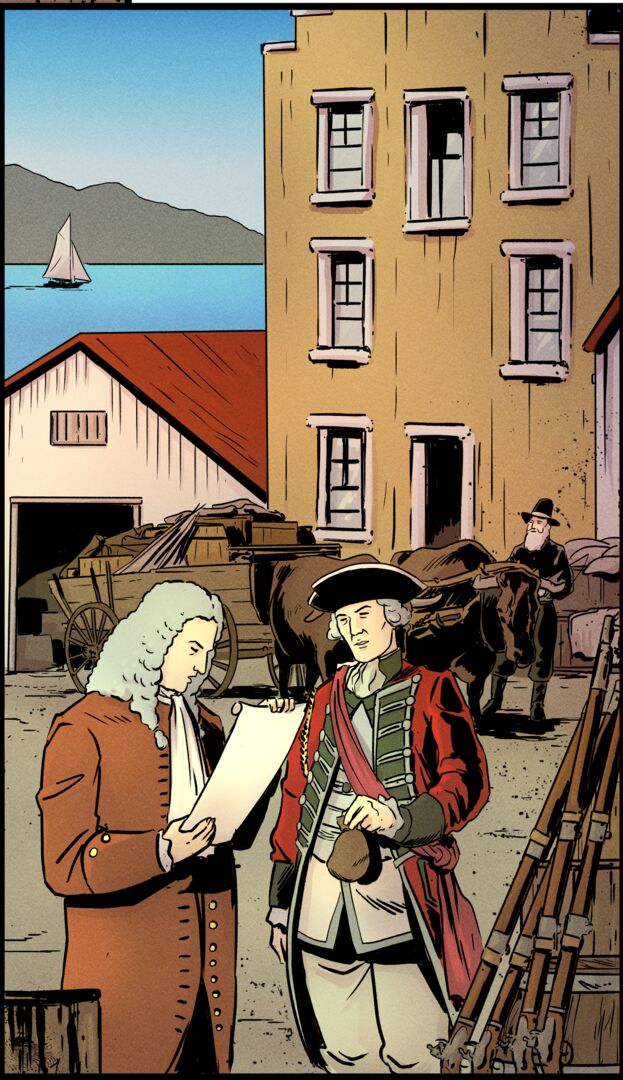
Title Year DetailJames Oglethorpe, Governor of Georgia, organizes a militia enlisting the Jews of Savannah. He appoints Benjamin Sheftall as a lieutenant. CaptionJames Oglethorpe appointing Benjamin Sheftall as a lieutenant as depicted in Valor & Virtue. Caption 2James Oglethorpe, Governor of Georgia. Save
Title Year DetailOglethorpe’s Militia defeats the Spanish invaders at the Battle of Bloody Marsh on St. Simons Island. CaptionThe Battle of Bloody Marsh July 18, 1742. Caption 2 Save
Title Year DetailJewish soldiers were present at the very beginning of George Washington's military career and the expansion into the wilderness. In 1754, Michael Franks and Jacob Myer served directly under a young George Washington during his expedition across the Allegheny Mountains. They fought in the Battle of Fort Necessity against a vastly superior French force. In New York, Isaac Myers organized and captained a company of "bateau men", specialized flat-bottom boat operators essential for transporting troops and supplies across colonial waterways. Jews served as border rangers and scouts. Michael Israel served as a Border Ranger, protecting isolated settlements. Joseph Simon fought in the brutal 1763 engagement at Bloody Run. Aaron Hart was among the first colonial troops to engage in the Canadian theater. CaptionThe Battle of Fort Necessity as depicted in Valor & Virtue. Caption 2 Save
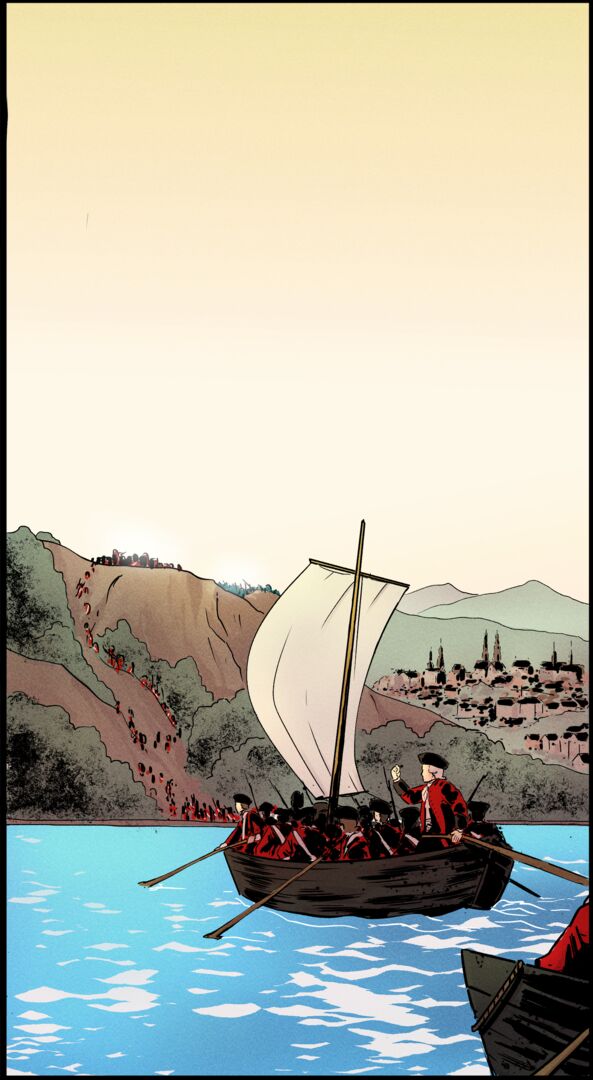
Title Year DetailIsaac Myers, a Jewish New Yorker, organized a company of bateau (flat-bottom boat) men at a town meeting at the Rising Sun Inn, becoming its captain. CaptionIsaac Myers and the Bateau Men as depicted in Valor & Virtue. Caption 2 Save
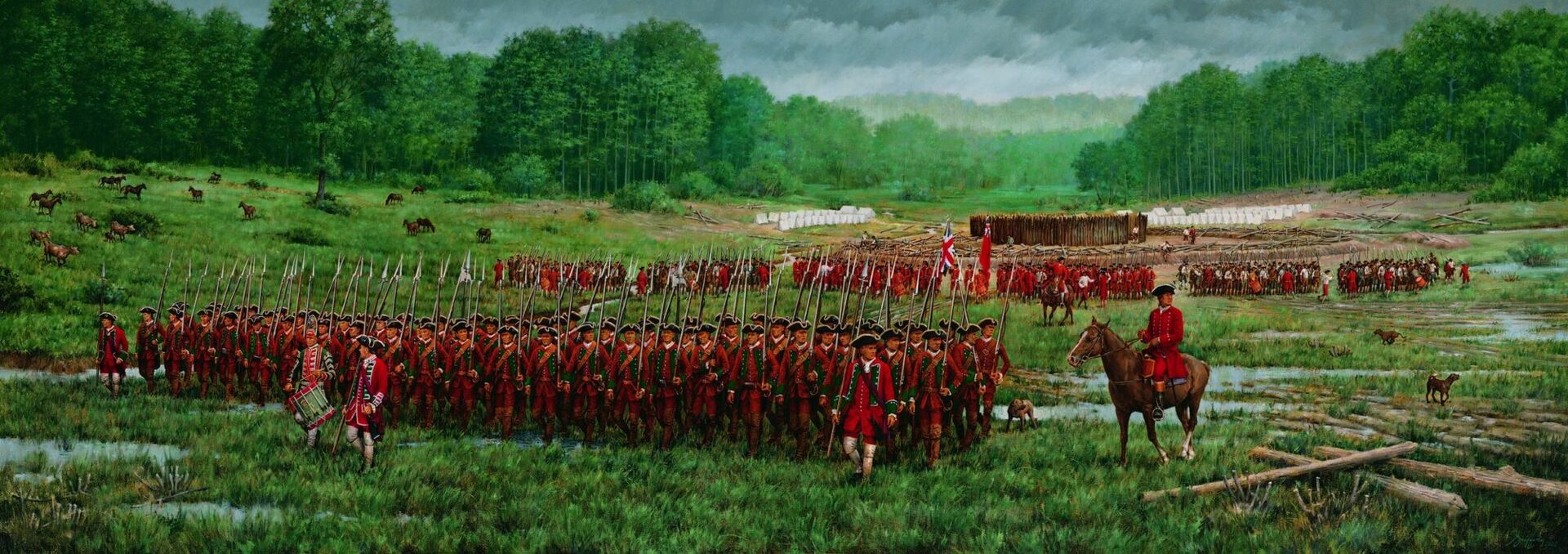
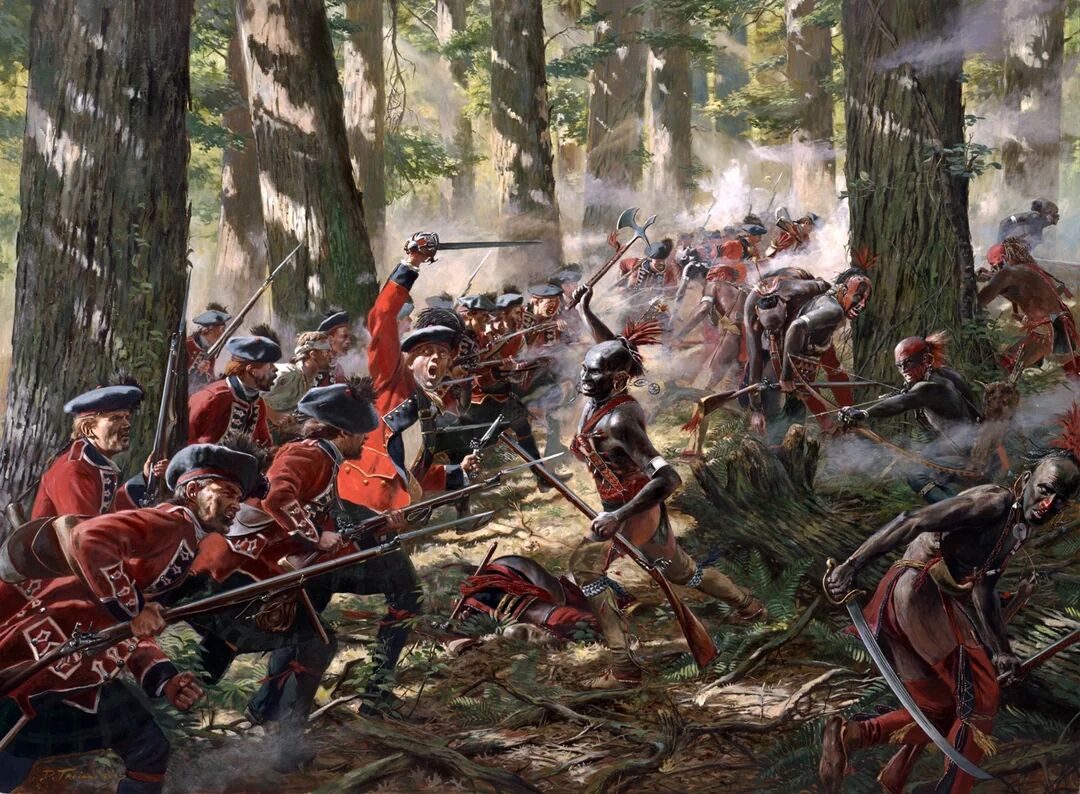
Title Year DetailMichael Franks and Jacob Myer served under Washington during his expedition across the Allegheny Mountains. They fought alongside 300 militia and Native Americans in the Battle of Fort Necessity against 800 French and Native American troops. CaptionA young George Washington, mounted at right, accompanied his Virginia militia onto the field at Great Meadows, exposing everyone to the French and Indians concealed in the woods. From the Robert Griffing mural, A Charming Field for an Encounter. Caption 2 Save
Title Year DetailJoseph Simon fought the Indians at Bloody Run. Other Jews, Michael Israel was a Border Ranger, and Aaron Hart was among the first to fight in Canada. CaptionBattle of Bloody Run (July 31, 1763) and the Battle of Bushy Run (August 5–6, 1763) as part of Pontiac's War launched in 1763 by a confederation of Native Americans who were dissatisfied with British rule in the Great Lakes region following the French and Indian War. Caption 2 Save
Title Year DetailJacob Franks, serving as a Royal Agent, was a critical figure in the colonial supply chain, ensuring that British and Colonial forces remained equipped with food, weapons, and essential gear. CaptionJacob Franks as depicted in Valor & Virtue. Caption 2 Save
Title Year DetailFrom the transition from Asser Levy’s petition in 1655 to the 1754 expedition with Washington, the Jewish experience in the colonies reflects a century-long journey from outsiders seeking acceptance to patriots defending their homes. Caption Caption 2 Save
Title Year DetailWhile many Jewish colonists served in local militias, several rose to prominence within the Continental Army and state forces. Caption Caption 2 Save
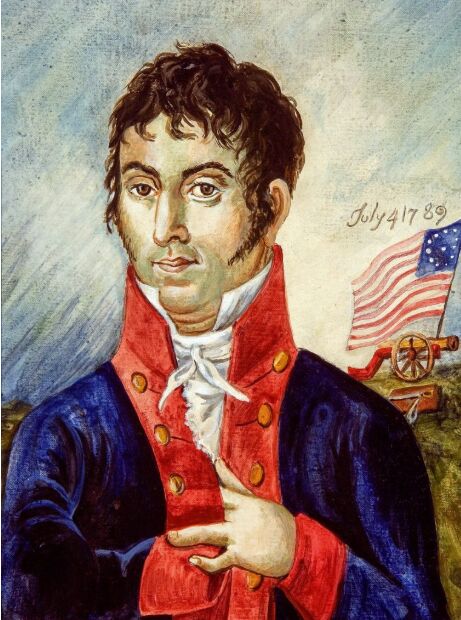
Title Year DetailKnown as the "Jewish Paul Revere" or the "Paul Revere of the South," Salvador was the first Jewish person elected to a popular assembly in the colonies (the South Carolina Provincial Congress). He was also the first Jewish soldier to die in the Revolutionary War, killed in 1776 during a skirmish with Loyalist forces and their allies. CaptionFrancis Salvador as depicted in Valor & Virtue. Caption 2 Save
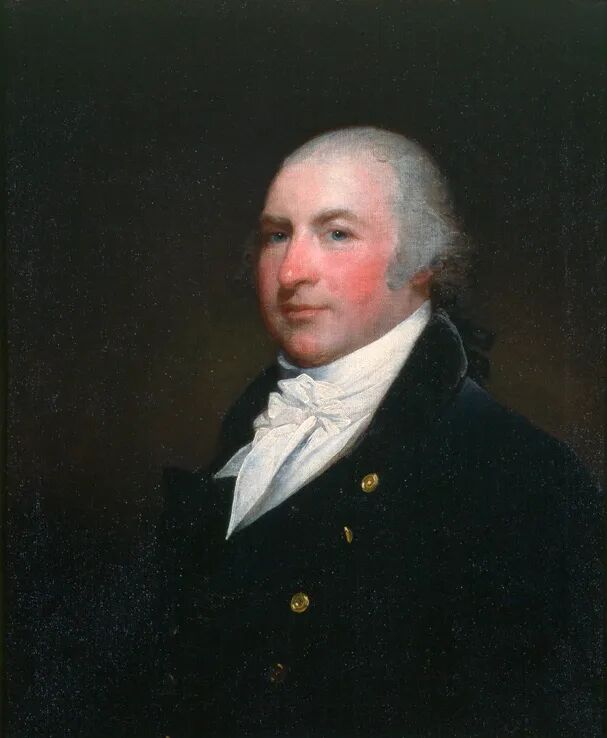
Title Year DetailFranks served as an aide-de-camp to George Washington. He was captured by the British at the Battle of Long Island but later escaped by boat. After the war, Washington actually stayed at Franks' home in Germantown to escape the yellow fever epidemic in Philadelphia. CaptionColonel Isaac Franks (1759-1822). Source: John L. Loeb, Jr. Database of Early American Jewish Portraits Portrait by: Gilbert Stuart (1755-1828) Date: 1802 Caption 2 Save
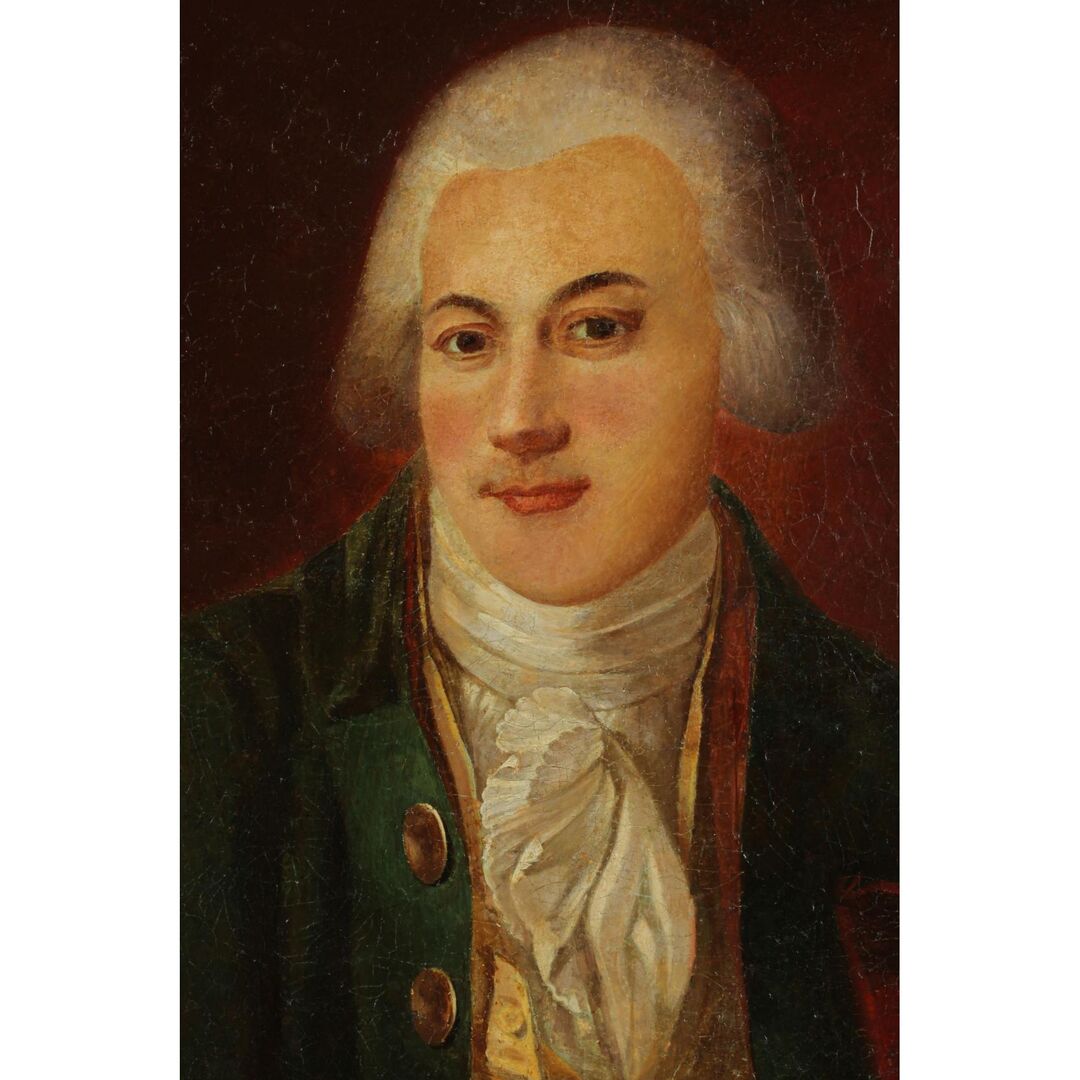
Title Year DetailBenjamin Nones was a French immigrant who served under General Pulaski and General Lafayette. He famously led a legion of 400 men, which included a significant number of Jewish soldiers, and was cited for bravery at the Battle of Camden. "It was impossible to see them in the heat of battle without being struck with their courage... the Jews of the Continental Army were as brave as any, and as faithful to the cause of freedom as the most zealous of their compatriots." CaptionBenjamin Nones (1757-1826) - Painted oil on canvas in 1795 by Nicholas Vincent Boudet (active 1793-1820). Caption 2 Save
Title Year DetailIn Charleston, South Carolina, a militia unit was formed under Captain Richard Lushington. It became known as the "Jew Company" because it was composed largely of Jewish volunteers from the local community. Caption Caption 2 Save
Title Year DetailHaym Salomon (1740-1785) was a Polish-born Jewish immigrant and New York City financial broker, who became a primary financier for the Patriot cause during the American Revolution. During the Revolution, British forces arrested him on charges of espionage and utilized him as a German translator. Salomon leveraged this role to encourage Hessian mercenaries to desert and to facilitate the release of Continental prisoners. Following a death sentence for his activities, Salomon escaped to Philadelphia. As the American government struggled with financial instability, Salomon utilized his personal fortune to fund the Patriot army. Salomon was adept at negotiating bills of exchange and personal loans that kept the Continental Army fed and equipped. He frequently declined commissions on these transactions and died nearly penniless due to the personal debt he incurred to support the cause. "I am a Jew; it is my own nation; I do not despair that we shall obtain every other privilege that we aspire to enjoy along with our fellow-citizens." — Haym Salomon CaptionBlack and white portrait of Haym Salomon (1740-1785) American Jewish Archives. Caption 2 Save
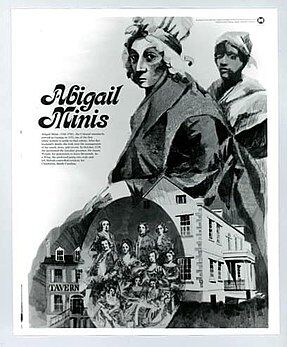
Title Year DetailIn Pennsylvania and Georgia, Jewish merchant families provided essential supplies, often on credit, to ensure troops remained stationed and active during the hardest winters of the war. CaptionA portrait of the life of Abigail Minis (1701-1794), including a family portrait, a depiction of the Minis family tavern and her plantation. Caption 2 Save
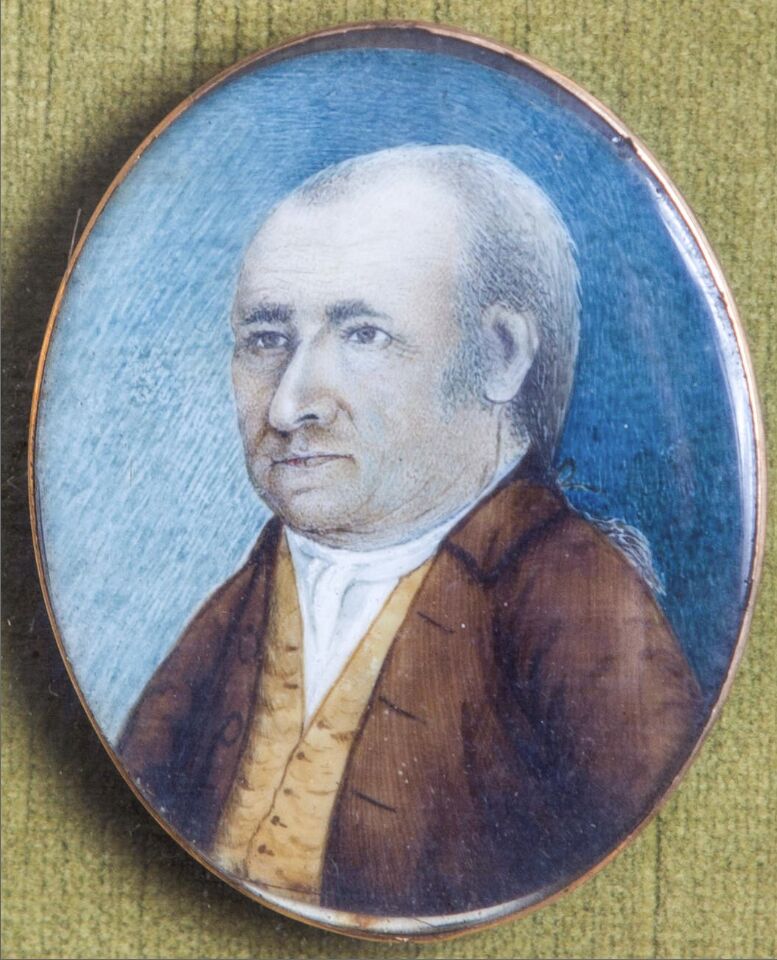
Title Year DetailMordecai Sheftall (1735–1797) rose from a merchant and landowner to a prominent figure in the American Revolution. A devout Jew, he hosted religious services in his home and donated land for Savannah's Jewish cemetery. During the war, Sheftall served as Deputy Commissary General of Issues, attaining the rank of colonel. Captured by the British in 1778 alongside his son, he endured harsh conditions on a prison ship, where he famously refused to break his kosher laws despite mockery. Though the war left him financially ruined, he returned to Savannah, successfully rebuilding his life and serving as president of Congregation Mickve Israel. "I am a Jew, and I am a Patriot... My duty to my country and my God are one and the same; I shall not waver, though the cost be my liberty or my life." - Mordecai Sheftall on his Captivity CaptionMordecai Sheftall (1735 – 1797). Source: John L. Loeb, Jr. Database of Early American Jewish Portraits Caption 2 Save
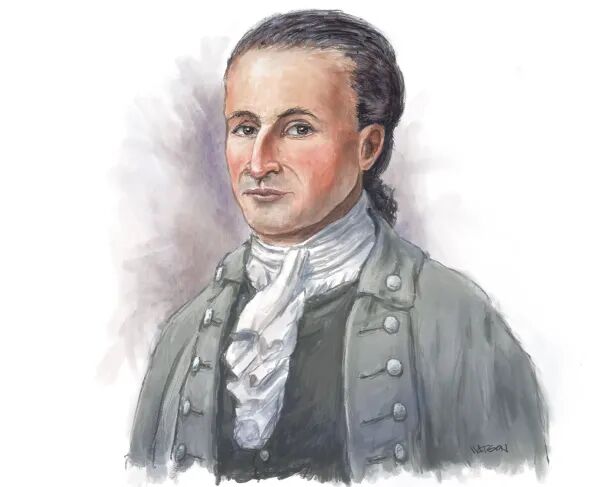
Title Year DetailFrancis Salvador became the first Jewish person elected to public office in the Americas, serving in the South Carolina Provincial Congress. CaptionFrancis Salvador (1747-1776) by Dale Watson. Caption 2 Save
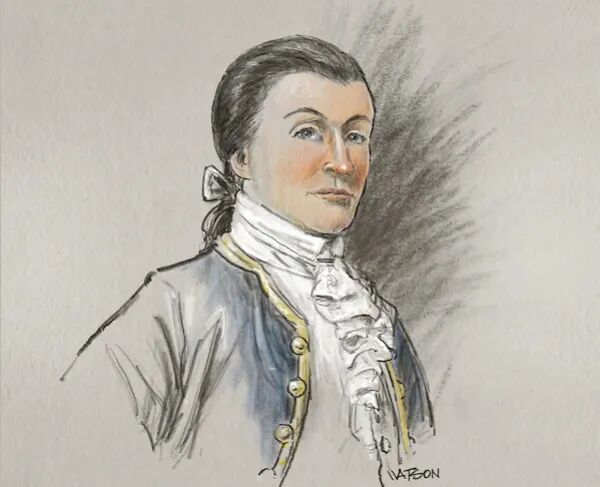
Title Year Detail1775 - South Carolina’s First Provincial Congress called for the formation of militias. One volunteer unit, made up largely of Jews from King Street, was led by Captain Lushington. Locals dubbed it the “Jew Company,” but its members proudly called themselves “the Company of Free Citizens.” CaptionRichard Lushington (1751-1790) by Dale Watson Caption 2 Save
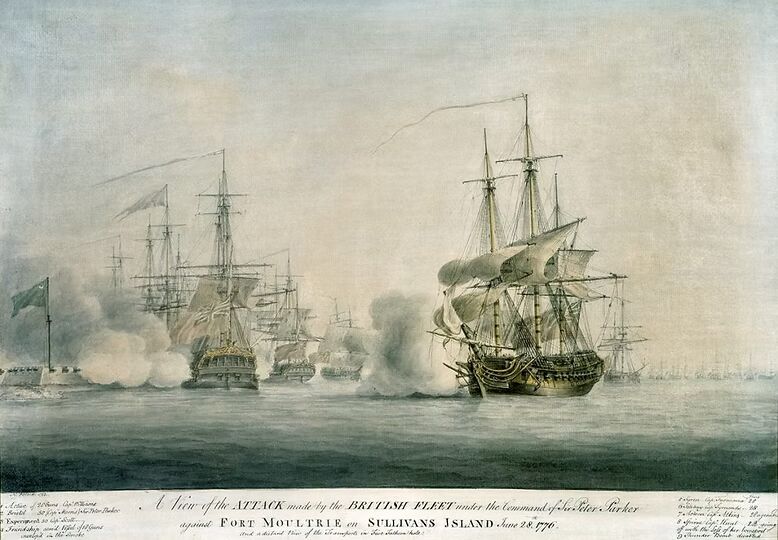
Title Year DetailThe “Jew Company” engaged in battle at Fort Sullivan which was built to defend Charleston, South Carolina, but was still unfinished when nine British warships attacked. Despite this, the fort held strong, repelling the assault with heavy defensive fire and forcing the British to retreat. Among the defenders were Lazarus and Cohen. The fort’s commander, William Moultrie, was later honored when it was renamed Fort Moultrie. Caption Caption 2 Save
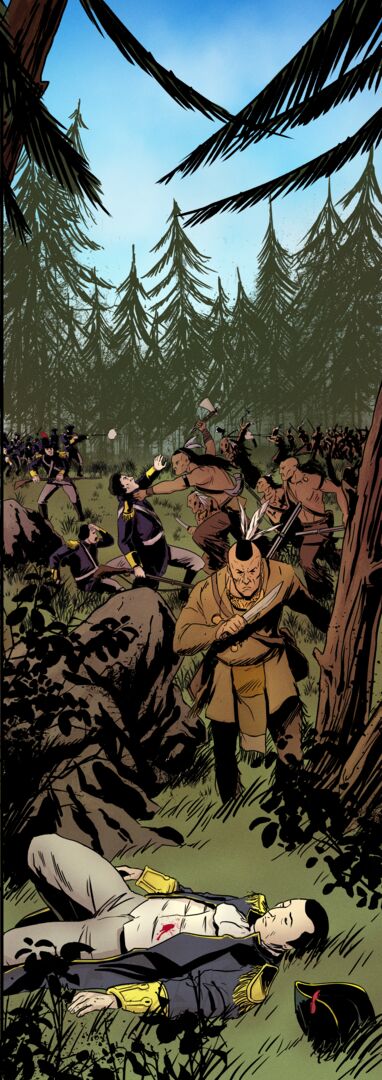
Title Year DetailFrancis Salvador, known as the "Jewish Paul Revere" or “Paul Revere of the South,” joined Major Andrew Williamson and 300 men along the Keowee River, where they were ambushed by Cherokee and Loyalists. Salvador was shot and scalped. Williamson found him wounded in a thicket and told him they had won the battle. At 29, Salvador became the first known Jew to die for the cause of American liberty. Caption Caption 2 Save
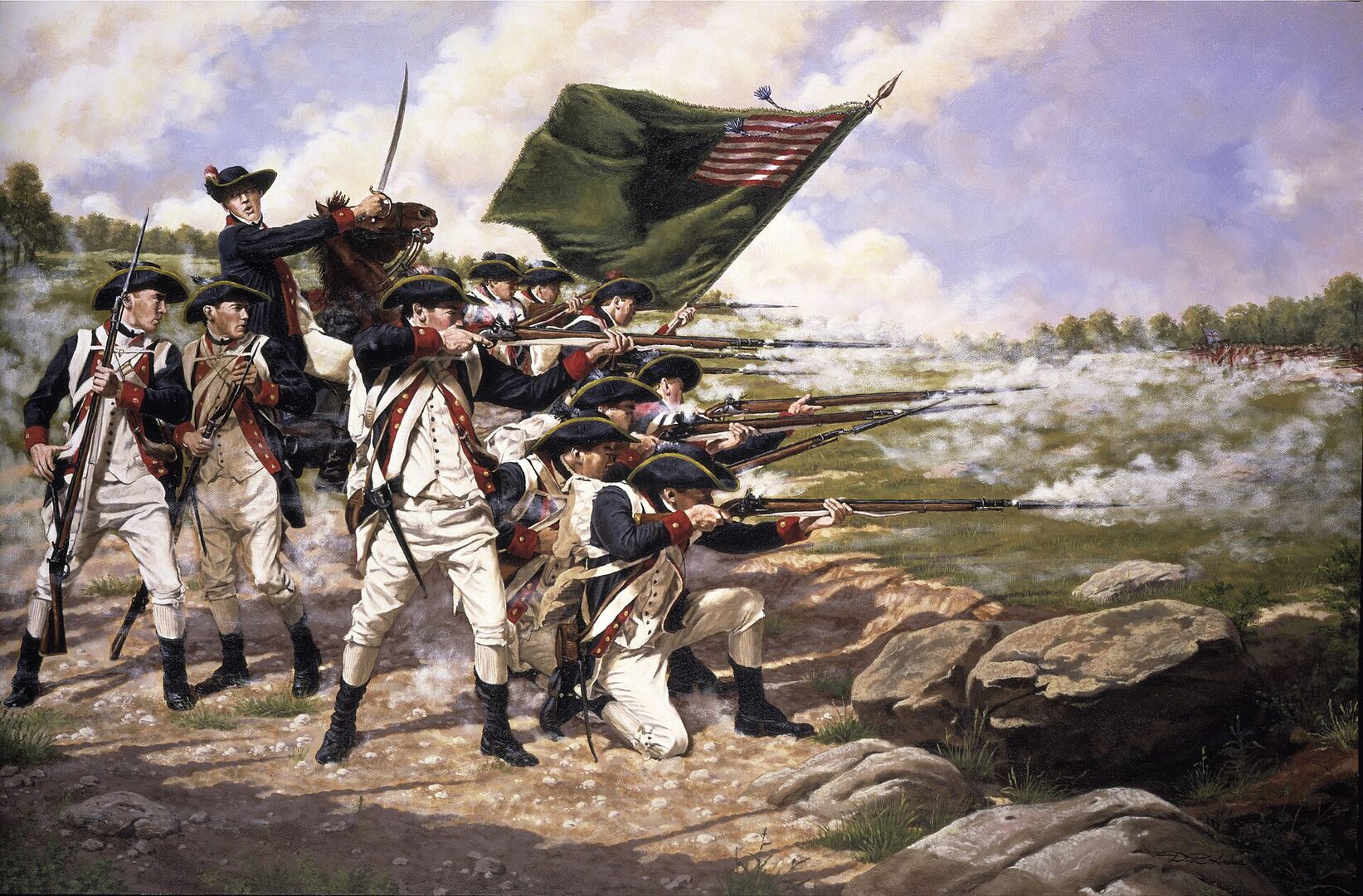
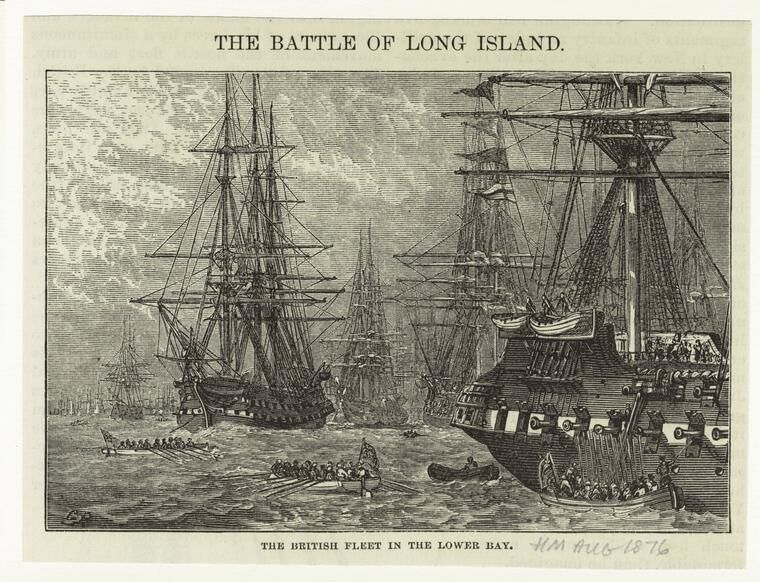
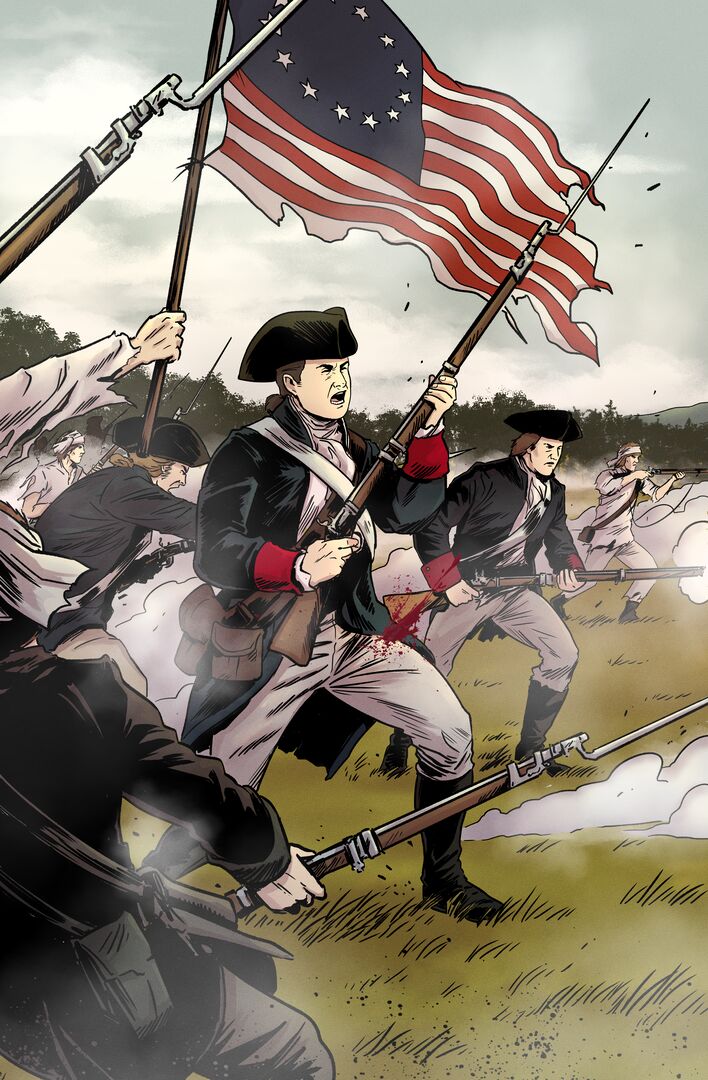
Title Year DetailThe Battle of Long Island, the first major clash of the war lasted three days, ending in a British victory over the Continental Army. Jews Issac Franks and Solomon Bush were among 300 Continental Army troops at Battle Hill, where they inflicted the highest casualties on the British during the battle. Solomon Bush had joined the Philadelphia militia as a captain in early 1776. He was promoted to major and named deputy adjutant-general of the state militia due to his valor in the battle. CaptionThe Battle of Long Island, a National Guard Heritage Painting by 21st century artist Domenick D'Andrea that was created for the National Guard Bureau. The painting depicts the Delaware Regiment at the Battle of Long Island on August 27, 1776. Caption 2The British fleet in the lower bay, published in Harper's Magazine in 1876, depicts a Royal Navy fleet amassing off Staten Island in the summer of 1776. Save
Title Year DetailSolomon Bush went on to fight at the Battle of Brandywine where he was struck by a musket ball that shattered his thigh bone. His brother, Captain Lewis Bush, was killed in the same battle. Benjamin Nones who was on Major General Lafayette’s staff fought at Brandywine. Dr. Philip Moses Russell served as a surgeon's mate with the American forces at Brandywine. Amid chaos and heavy fire, he tended to the wounded with compassion and unwavering dedication. Philip had served, "with honor to himself and his country and he [Washington] with pleasure bore testimony to his assiduous attention to the sick and wounded, as well as his cool and collected deportment in battle." According to his son Moses Russell quoting a letter from Washington. CaptionSolomon Bush at the Battle of Brandywine depicted in Valor & Virtue. Caption 2Philip Moses Russell (1740–1830). Source: John L. Loeb, Jr. Database of Early American Jewish Portraits Save
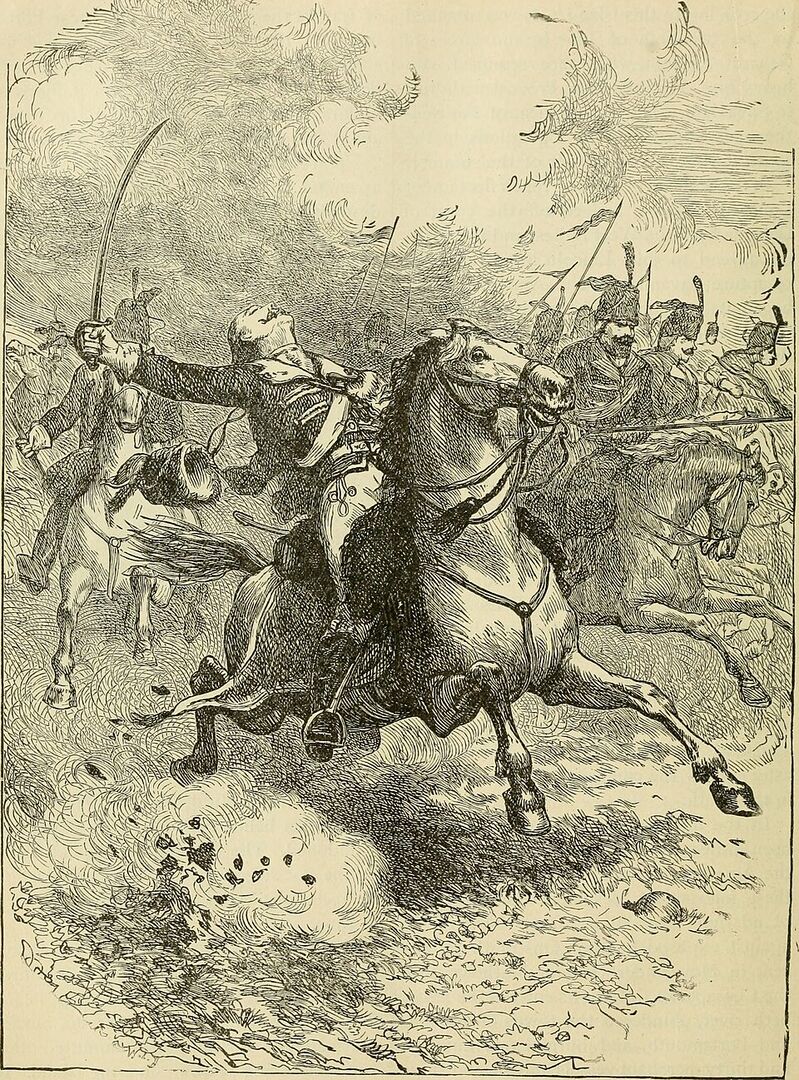
Title Year DetailOn October 11, 1779, during the Siege of Savannah at Thunderbolt, Georgia, Nones rode alongside Brigadier General Count Kazimierz Pułaski, who was mortally wounded in the battle. CaptionPulaski mortally wounded by grapeshot while leading cavalry charge. Caption 2 Save
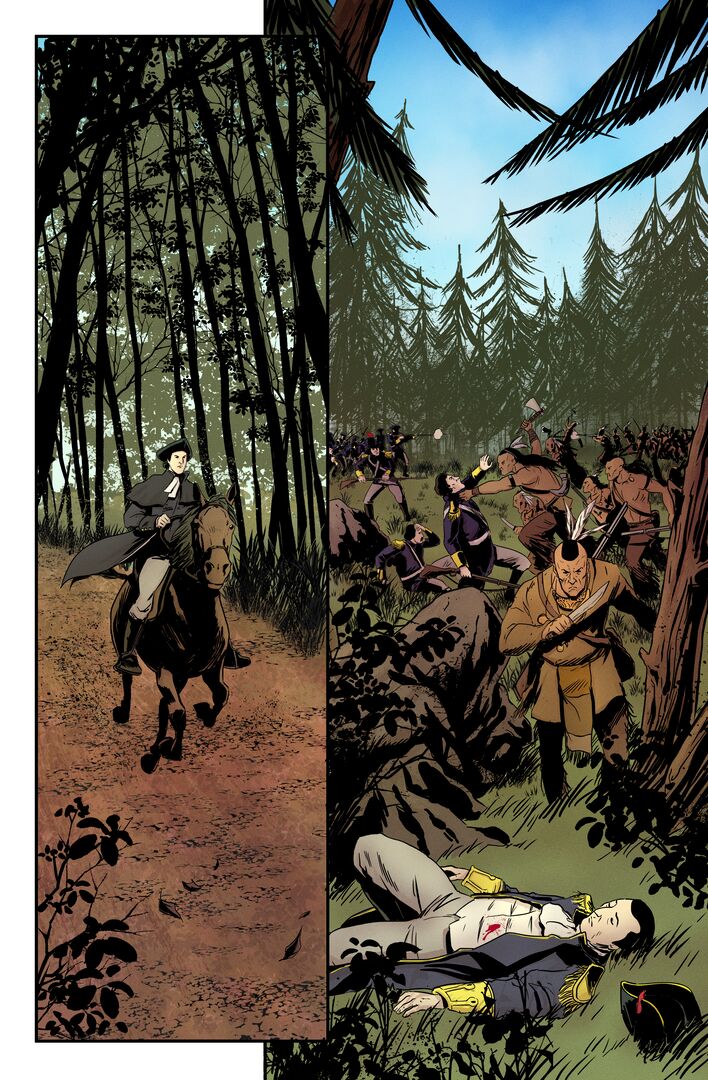
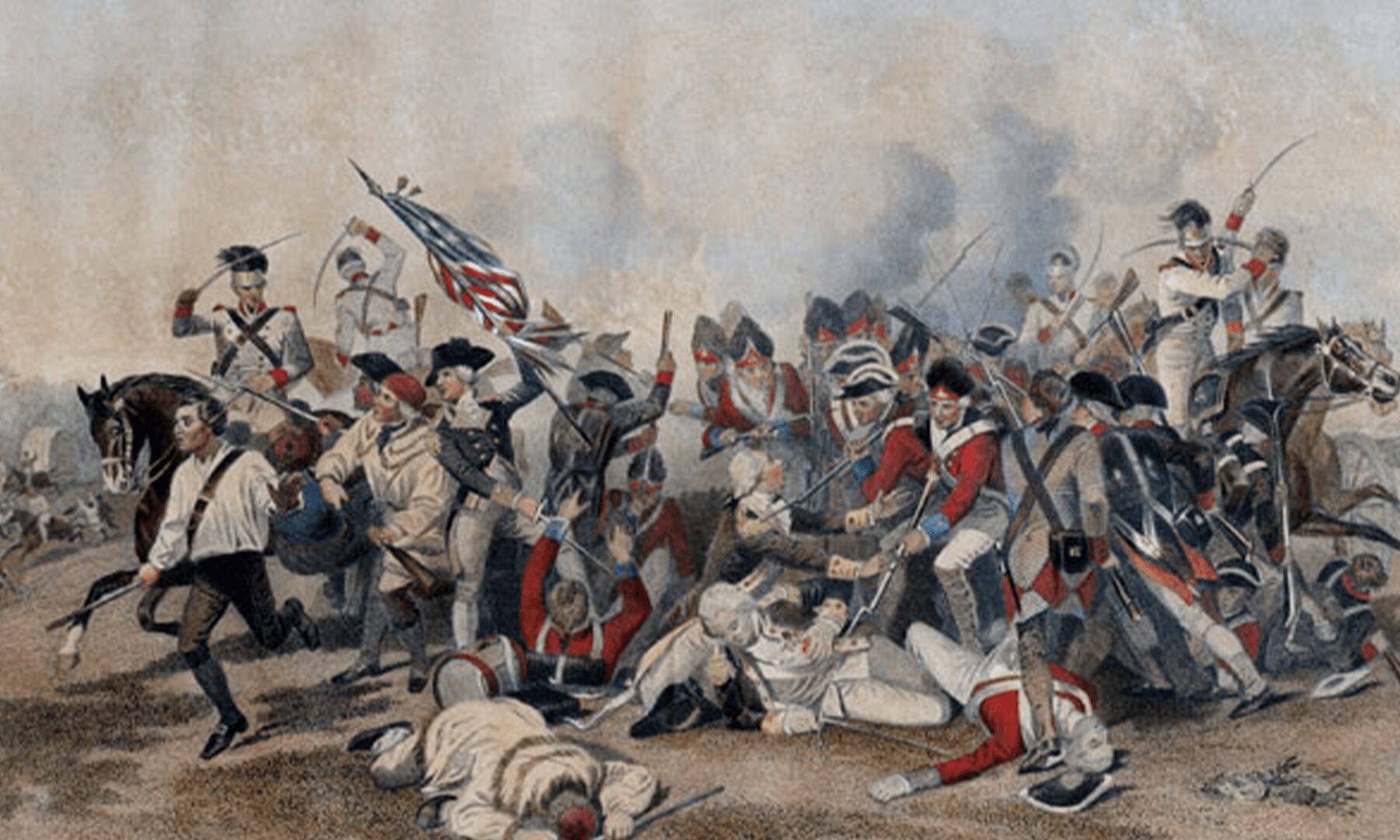
Title Year DetailAt the Battle of Camden, Nones fought alongside fellow Jewish Patriots Jacob de la Motta and Jacob De Leon. During the battle, they tended to the wounded Major General Johann de Kalb, who died three days later from his injuries CaptionDeath of Baron de Kalb at the Battle of Camden. Caption 2 Save
Title Year DetailFought on December 29, 1778, the Capture of Savannah was a crucial British victory that launched their southern strategy in the American Revolutionary War. British Lieutenant-Colonel Archibald Campbell landed 3,100 troops near Savannah, Georgia, to reclaim the province for the Crown. Major General Robert Howe formed a defensive line outside the city with roughly 650 Continental and militia troops. However, guided by a local slave, Campbell sent light infantry through a hidden swamp path that outflanked the unguarded American right. Caught by surprise from the front and rear, Howe's untried force broke into a rout. The British suffered only 24 casualties while inflicting over 80 dead and capturing 453 American prisoners. Mordecai Sheftall and his 15-year-old son, Sheftall Sheftall (who served as a deputy commissary), were captured by British troops at gunpoint while attempting to escape. Following the fall of the city, the Sheftalls were held on British prison ships and later exiled to Antigua. During their imprisonment, Mordecai famously refused to eat non-kosher pork offered by British guards, enduring severe hardship before eventually being freed in a prisoner exchange. The victory gave the British firm control of Savannah, establishing a strategic stronghold they maintained until 1782 despite a Franco-American siege the following year. CaptionThe Capture of Savannah as depicted in Valor & Virtue. Caption 2 Save
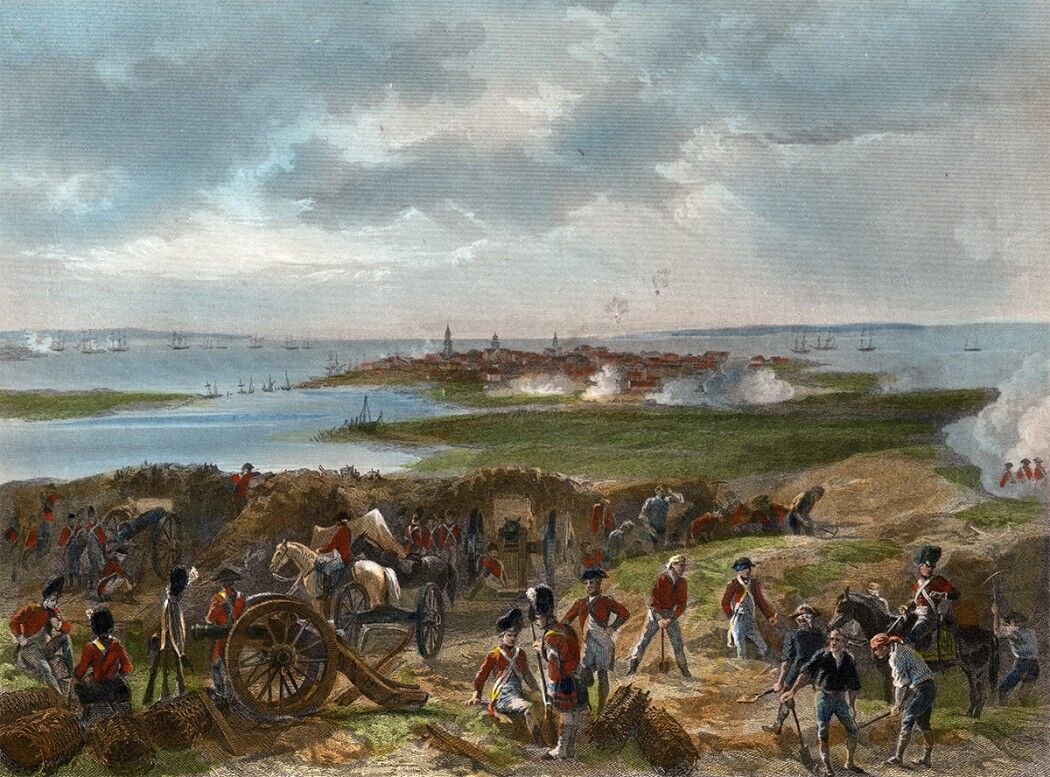
Title Year DetailFought from March 29 to May 12, 1780, the Siege of Charleston was a devastating American defeat in the Revolutionary War. Shifted toward a "Southern Strategy" to rally Loyalist support, British forces under General Sir Henry Clinton and Lord Cornwallis surrounded Charles Town with over 10,000 troops and naval support. Major General Benjamin Lincoln defended the city with roughly 5,500 Continental and militia troops. After six weeks of relentless siege operations, artillery bombardment, and blocked escape routes, Lincoln was forced to surrender unconditionally. The British captured over 5,000 troops, hundreds of artillery pieces, and vast military supplies, completely wiping out the main Continental army in the South. This total defeat left South Carolina vulnerable to British control and ignited years of fierce, chaotic guerrilla warfare throughout the region. Jewish Soldiers like those in the “Jew Company” were either taken prisoner or banished for refusing to sign a loyalty oath to the British crown Captain Abraham Mendes Seixas among them. CaptionA depiction of the Siege of Charleston (1780) by Alonzo Chappel. Caption 2Captain Abraham Mendes Seixas (1750–1799) artist unknown, ca. 1795. Courtesy of the New York Historical Society. Save
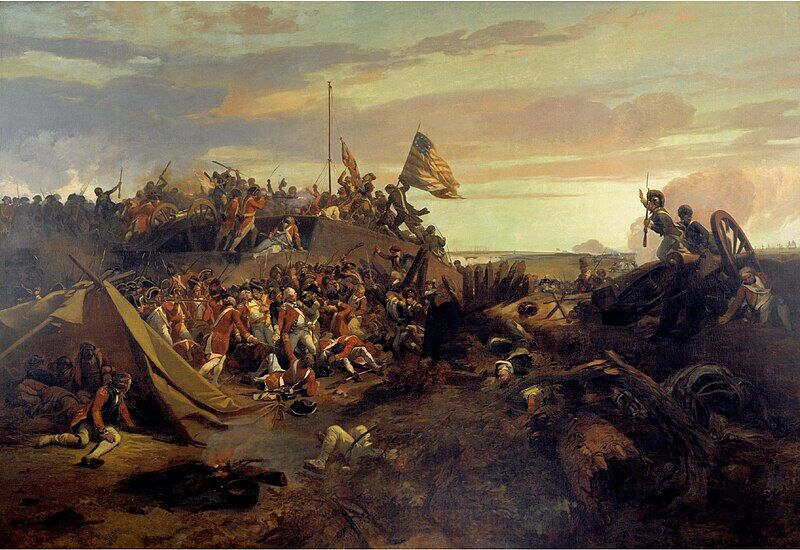
Title Year DetailIn late 1781, Continental forces under General Washington and French allies led by Rochambeau and Admiral de Grasse trapped General Cornwallis’s British army at Yorktown, Virginia. De Grasse’s victory at the Battle of the Chesapeake cut off British maritime escape and supply lines. Franco-American forces besieged the town, capturing critical outer redoubts on October 14. Relentless bombardment forced Cornwallis to capitulate on October 19, 1781, capturing over 7,000 British troops and effectively securing American independence. Jewish Americans contributed significantly to the victory at Yorktown, most notably through crucial financial mobilization. Financier Haym Salomon worked closely with Superintendent of Finance Robert Morris to secure French loans and convert bills of exchange into gold and silver specie. This funding was vital for paying the Continental soldiers and equipping the Franco-American army for their march to Virginia. Additionally, Jewish soldiers served in Washington’s ranks during the siege, while Jewish merchant-shippers supplied essential provisions to the besieging forces. CaptionThe Americans storm the British position at redoubt 10 during the Siege of Yorktown (28 September to 19 October 1781). By Eugène Lami, 1840. (Public Domain). Caption 2 Save